Loading...
Equipment supplier · Canada
Industrial wastewater treatment equipment
Step 1 of 2
ContinueSize my system
Three fields. An engineer replies with a treatment train and a quote.
No obligation · reply by email
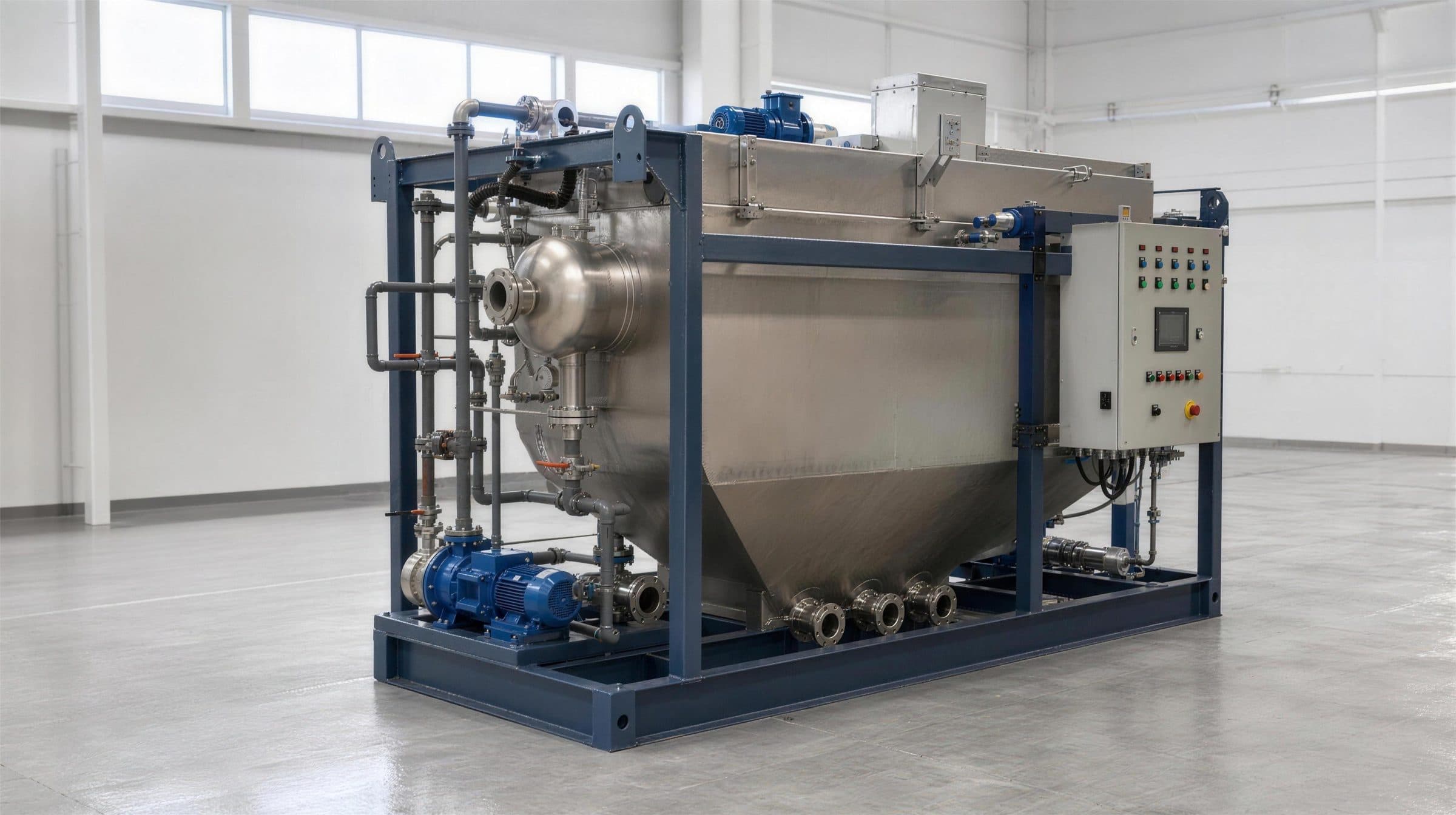
We supply the units that treat plant effluent — DAF, MBR and MBBR, oil-water separators, industrial RO, sludge dewatering — sized to your flow and shipped anywhere in Canada.
- 13
- Equipment lines
- 5–500
- m³/h sized
- 50
- Cities covered
- EN · FR
- Canada-wide
13
Equipment Lines
50
Cities Covered
5–500 m³/h
Flow Rates Sized
Canada-wide
Delivery & Support
We supply
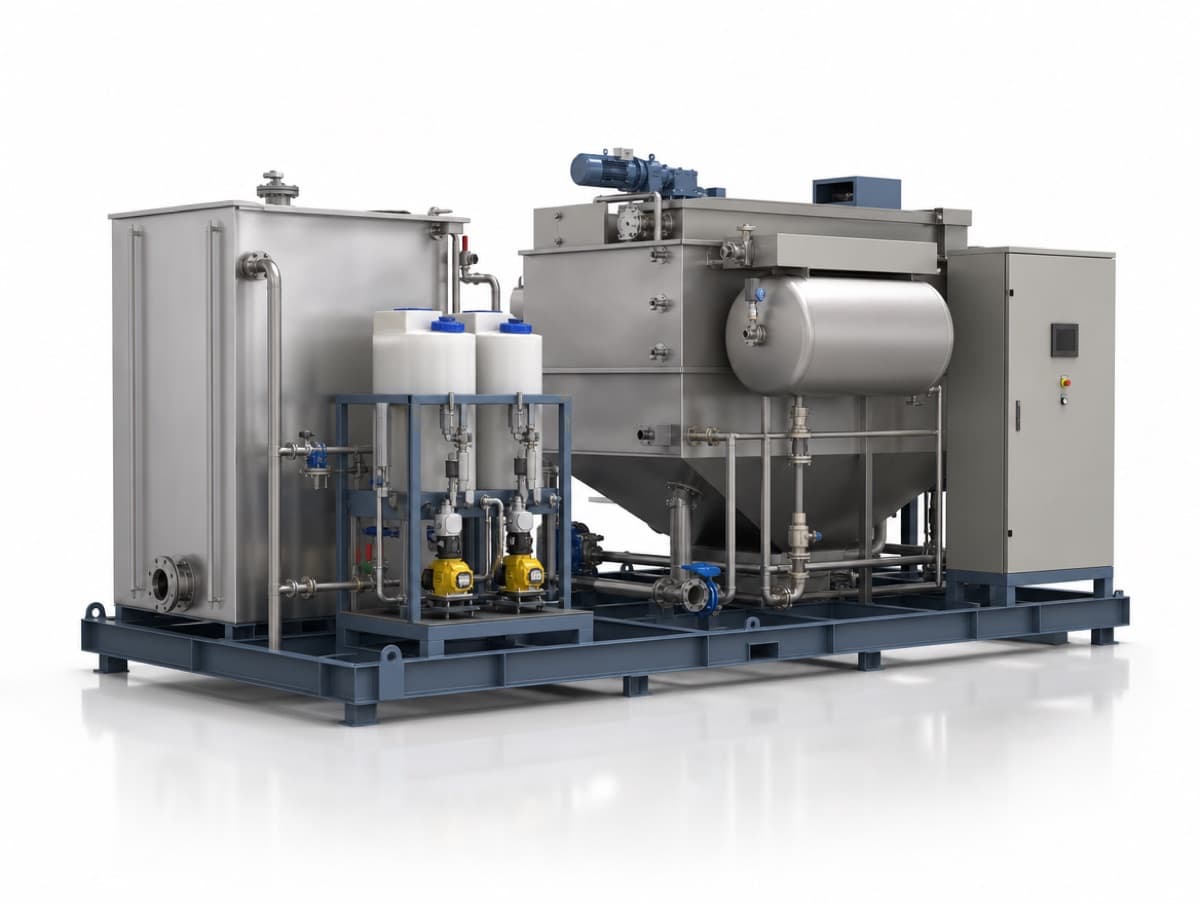 Industrial Wastewater Treatment Systems
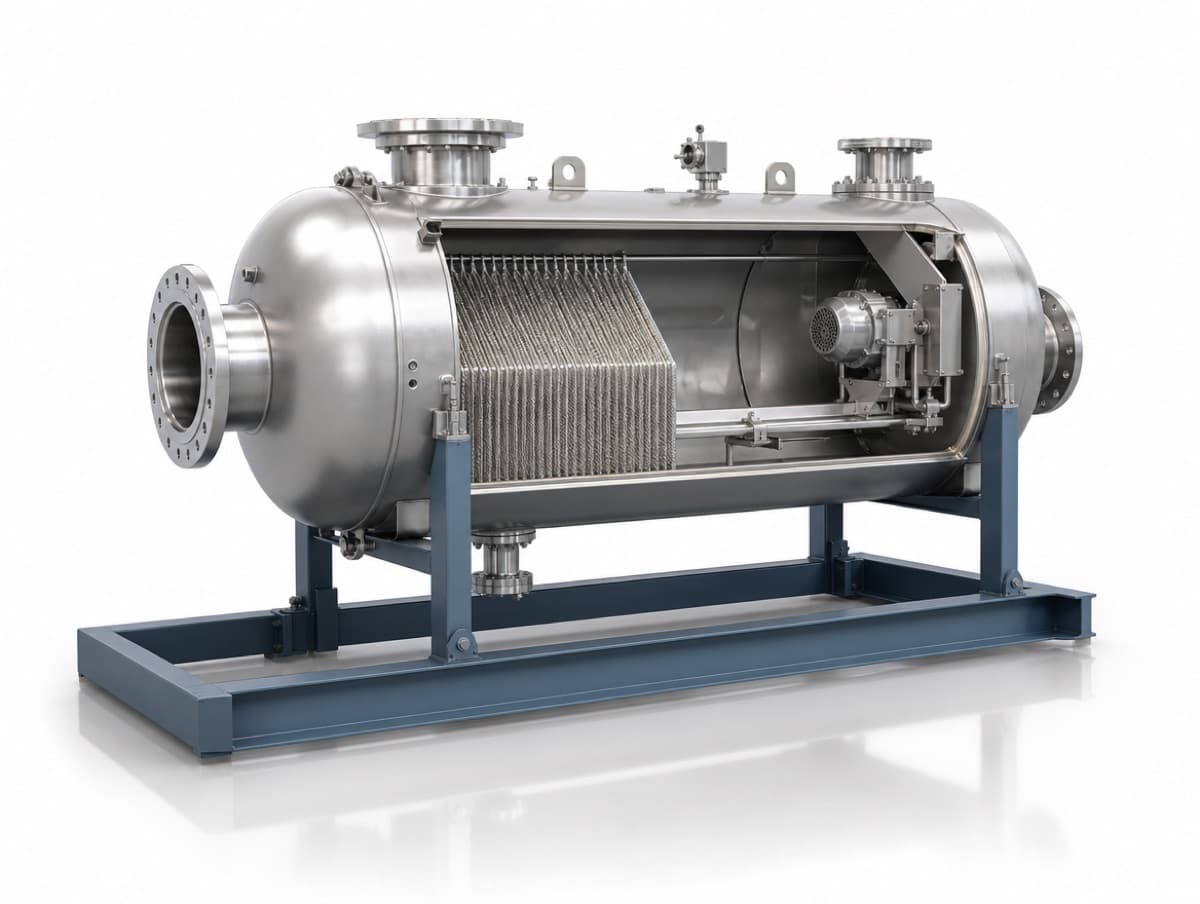 Oil Water Separators
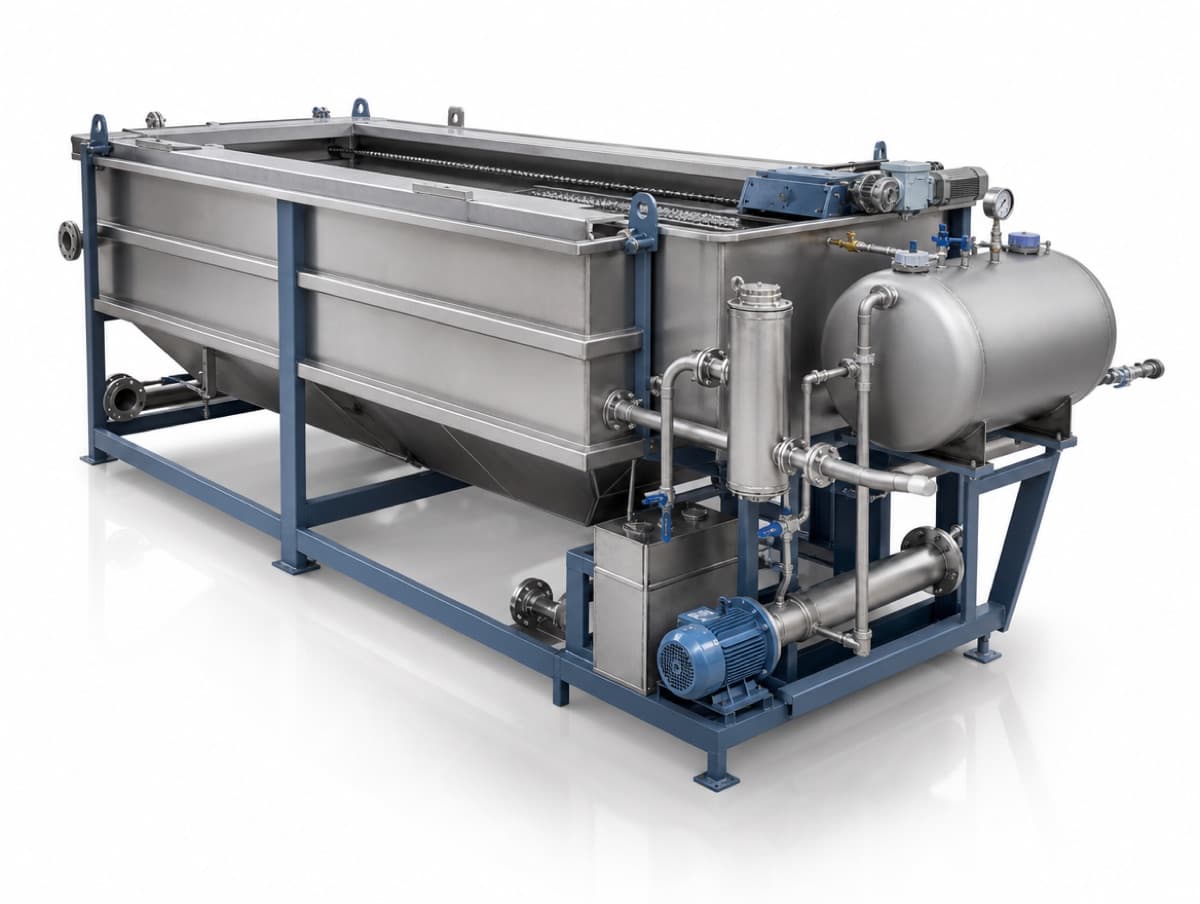 Dissolved Air Flotation (DAF) Systems
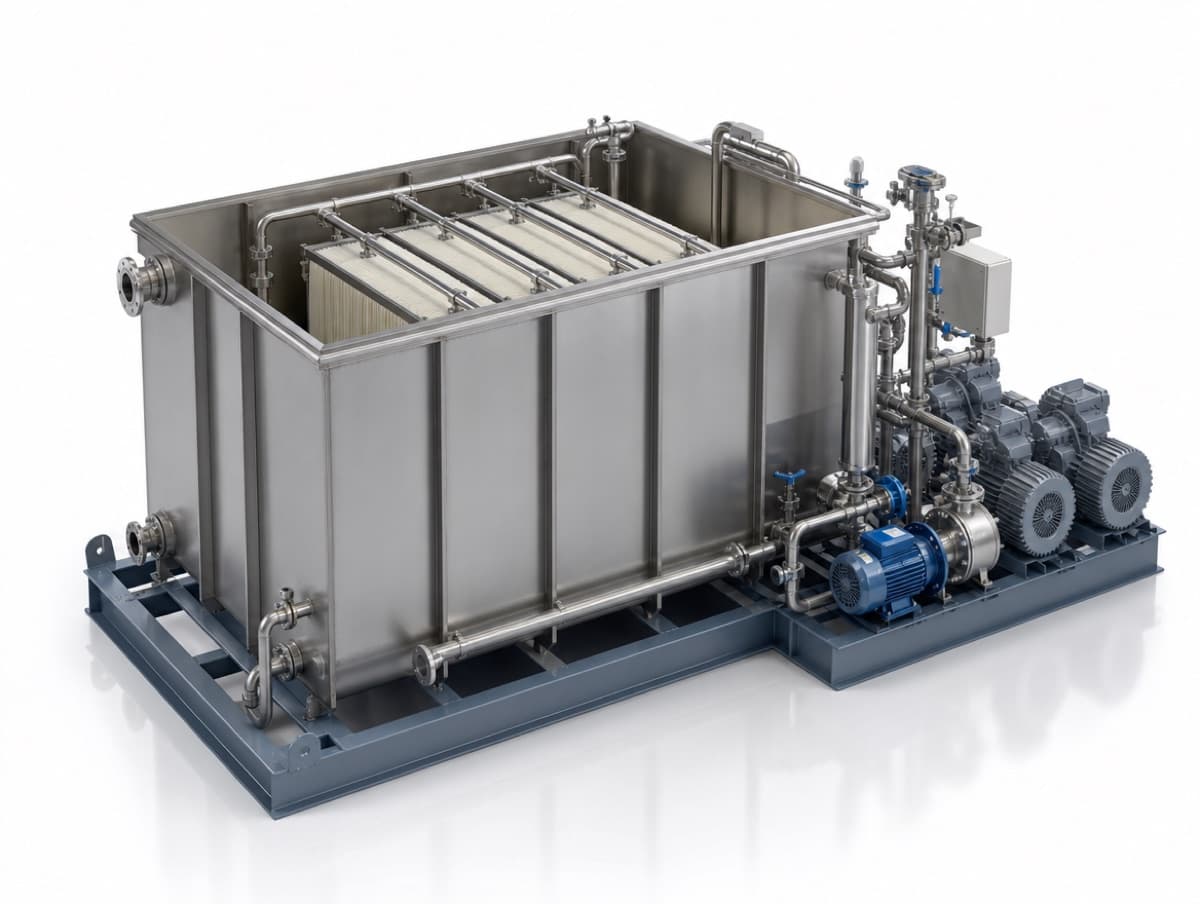 Membrane Bioreactor (MBR) Systems
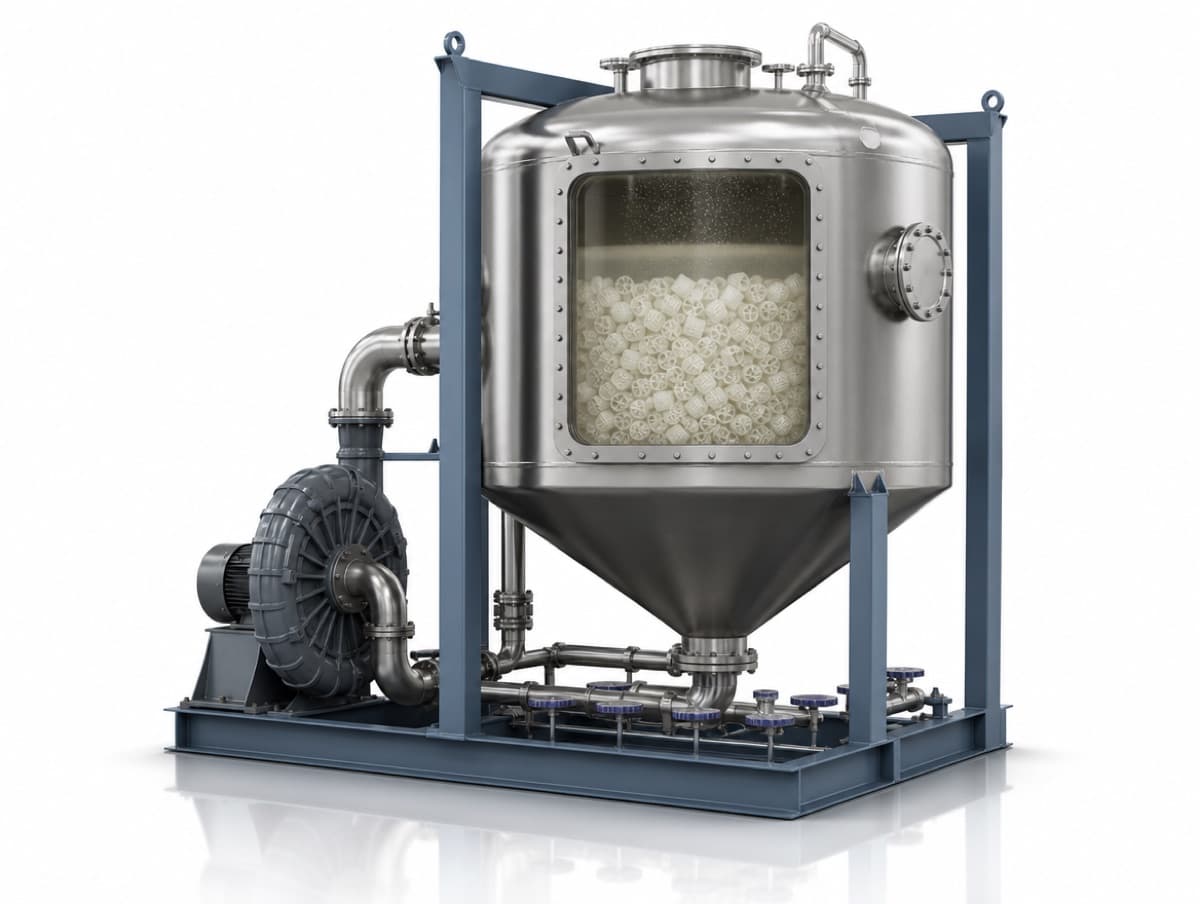 MBBR Systems (Moving Bed Biofilm Reactors)
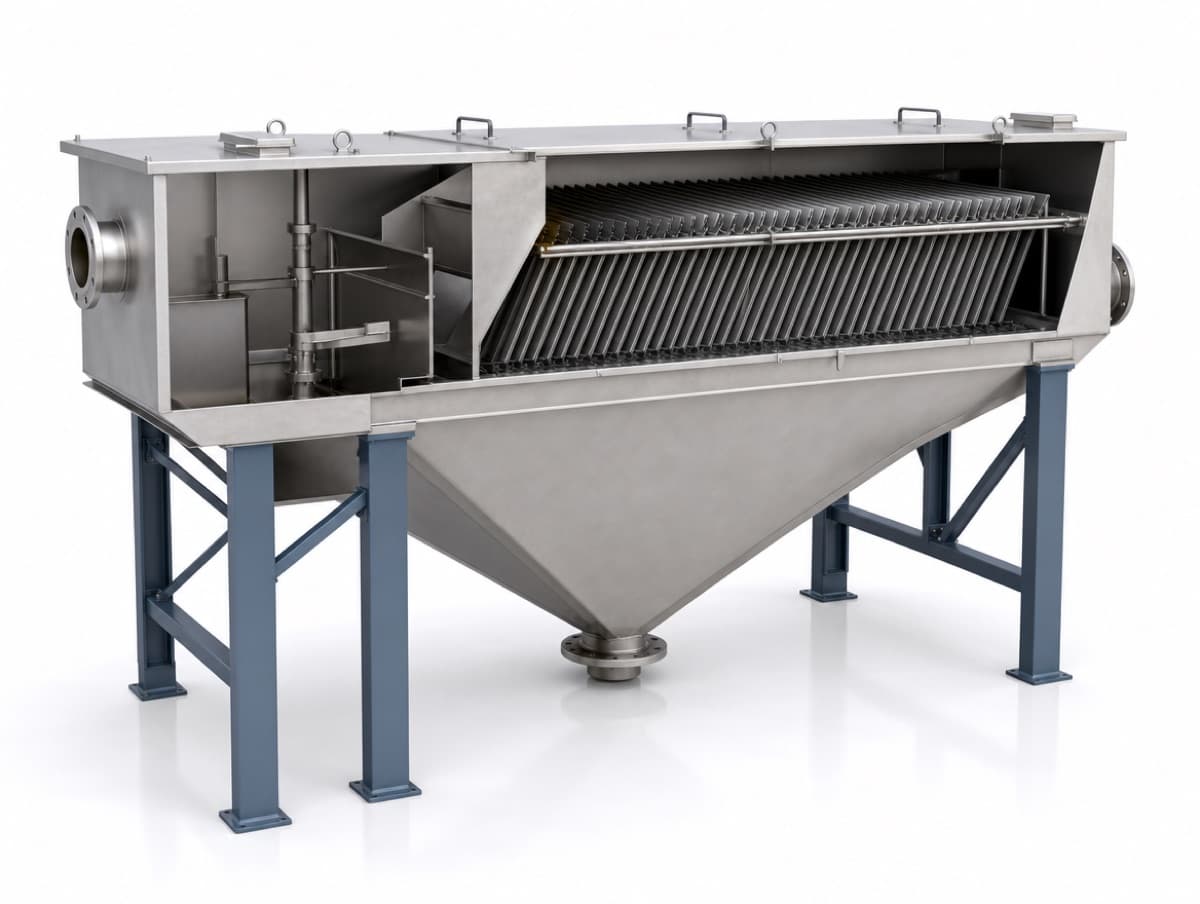 Lamella Clarifiers
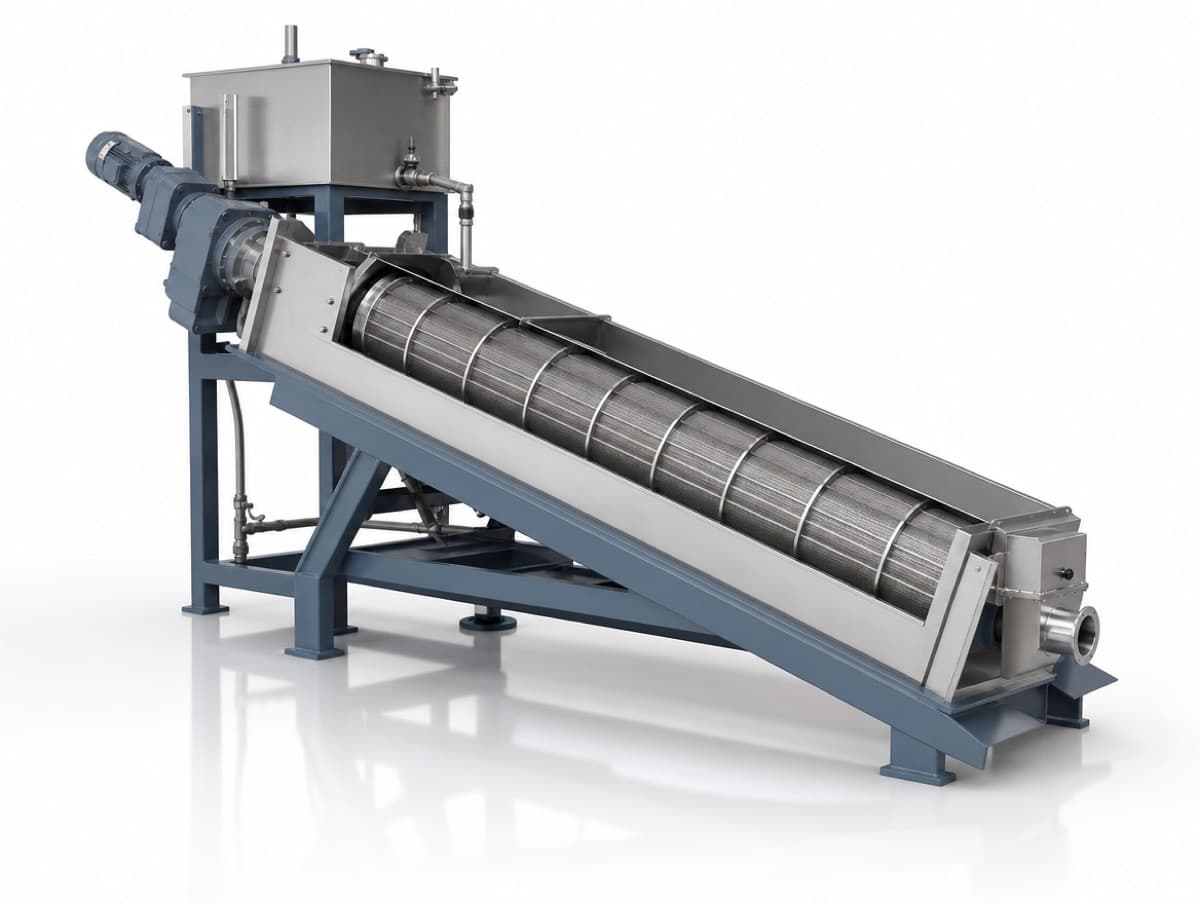 Sludge Dewatering Screw Presses
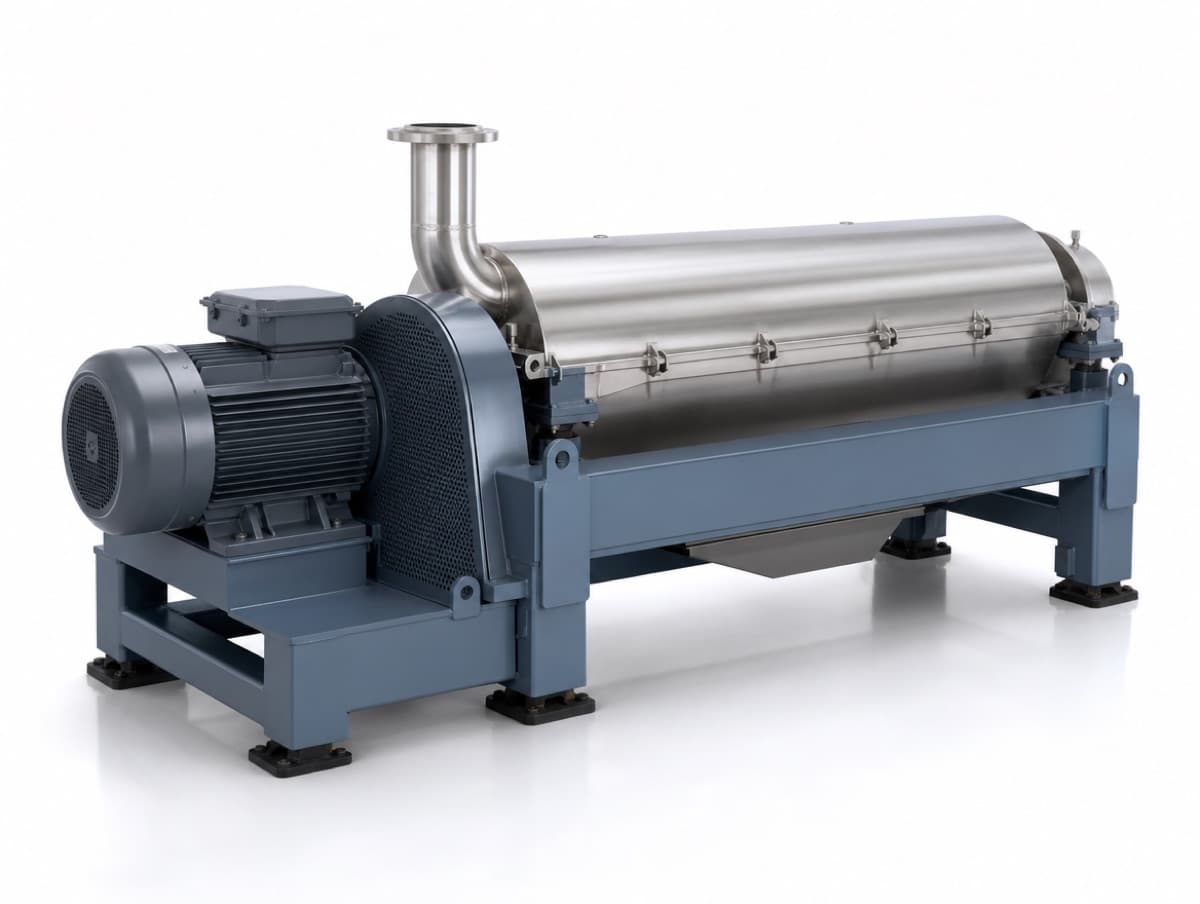 Dewatering Centrifuges
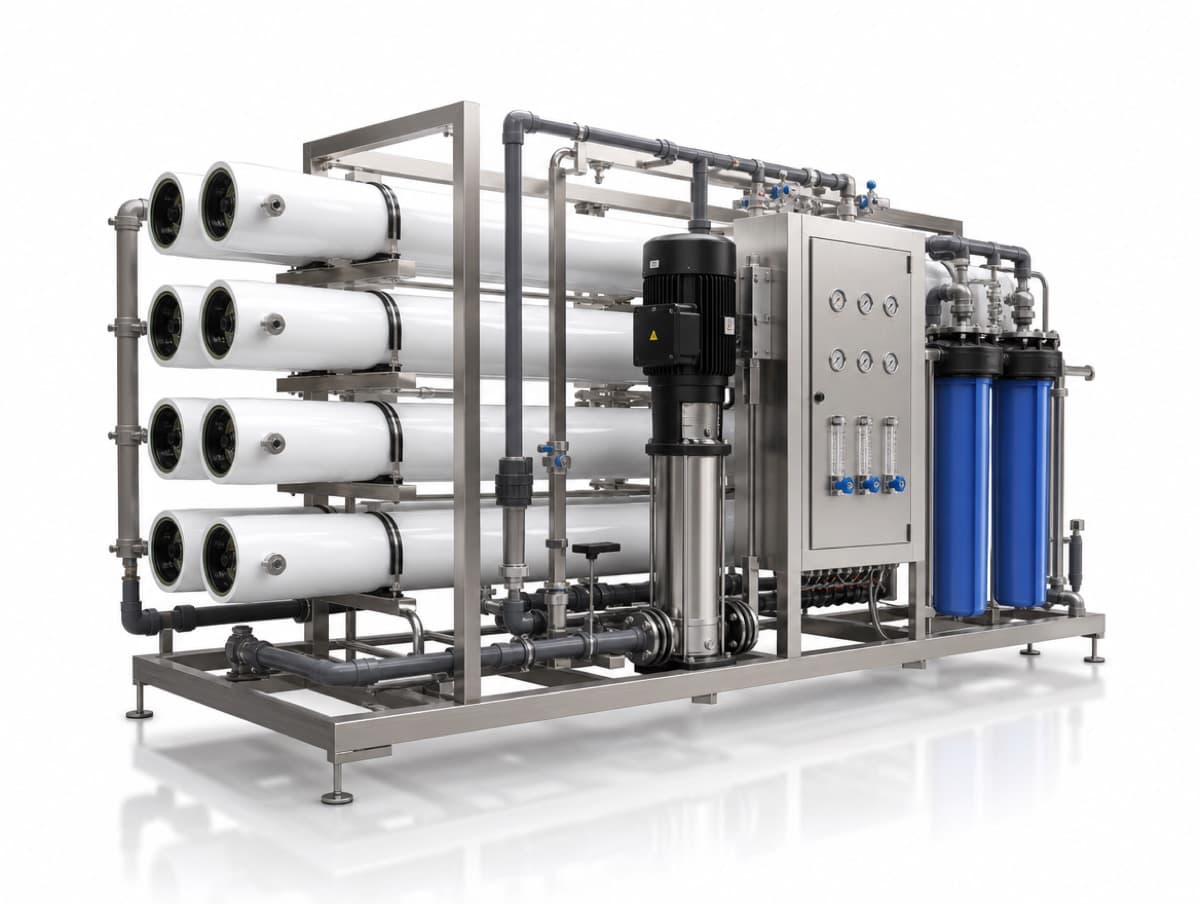 Industrial Reverse Osmosis Systems
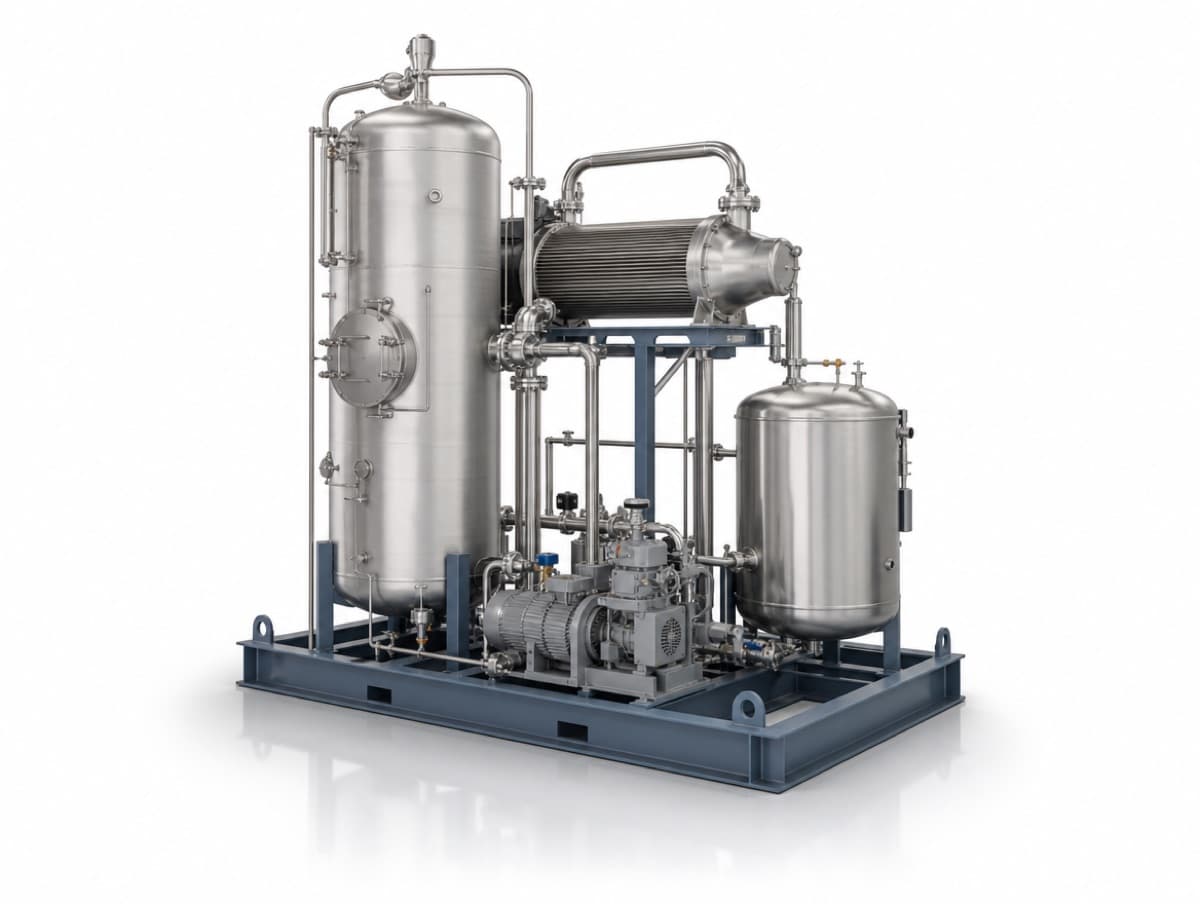 Wastewater Evaporators & ZLD Systems
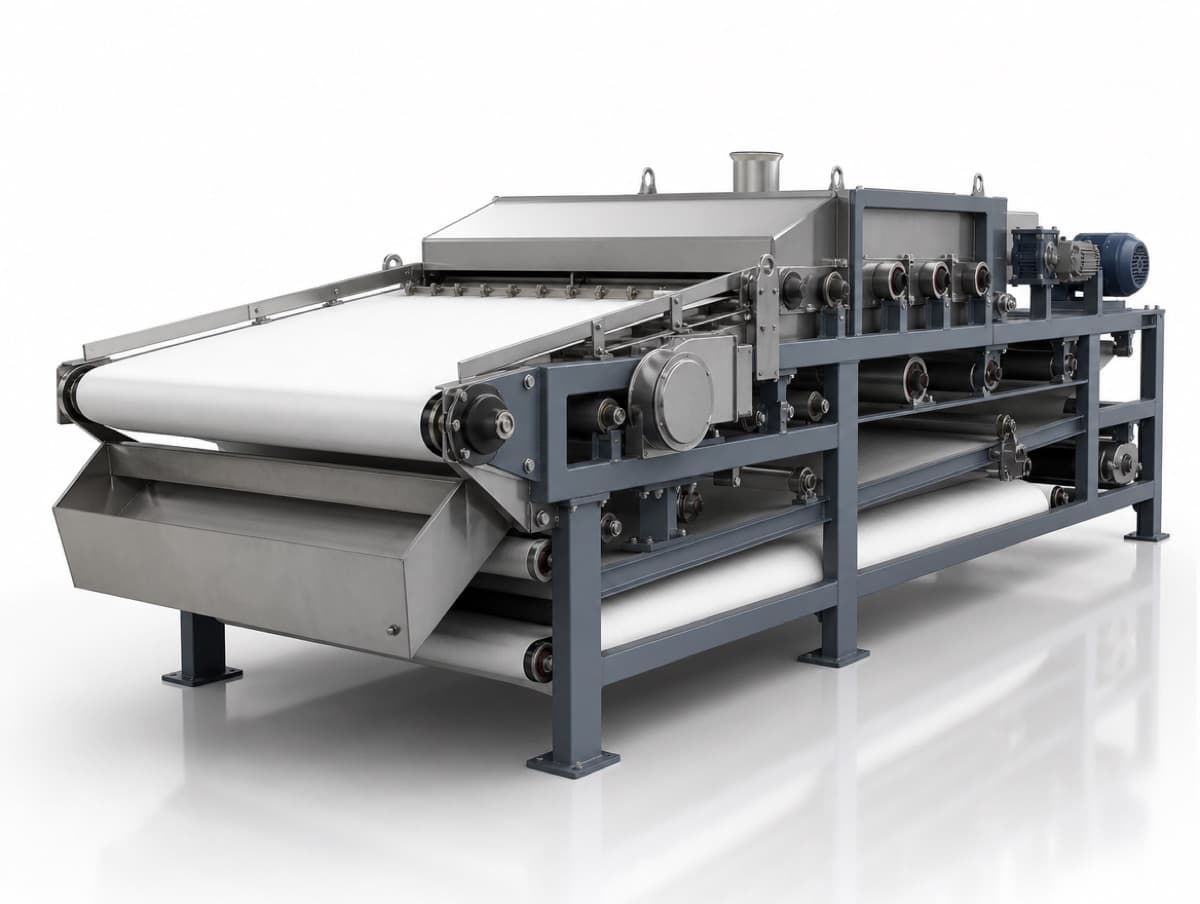 Belt Filter Presses
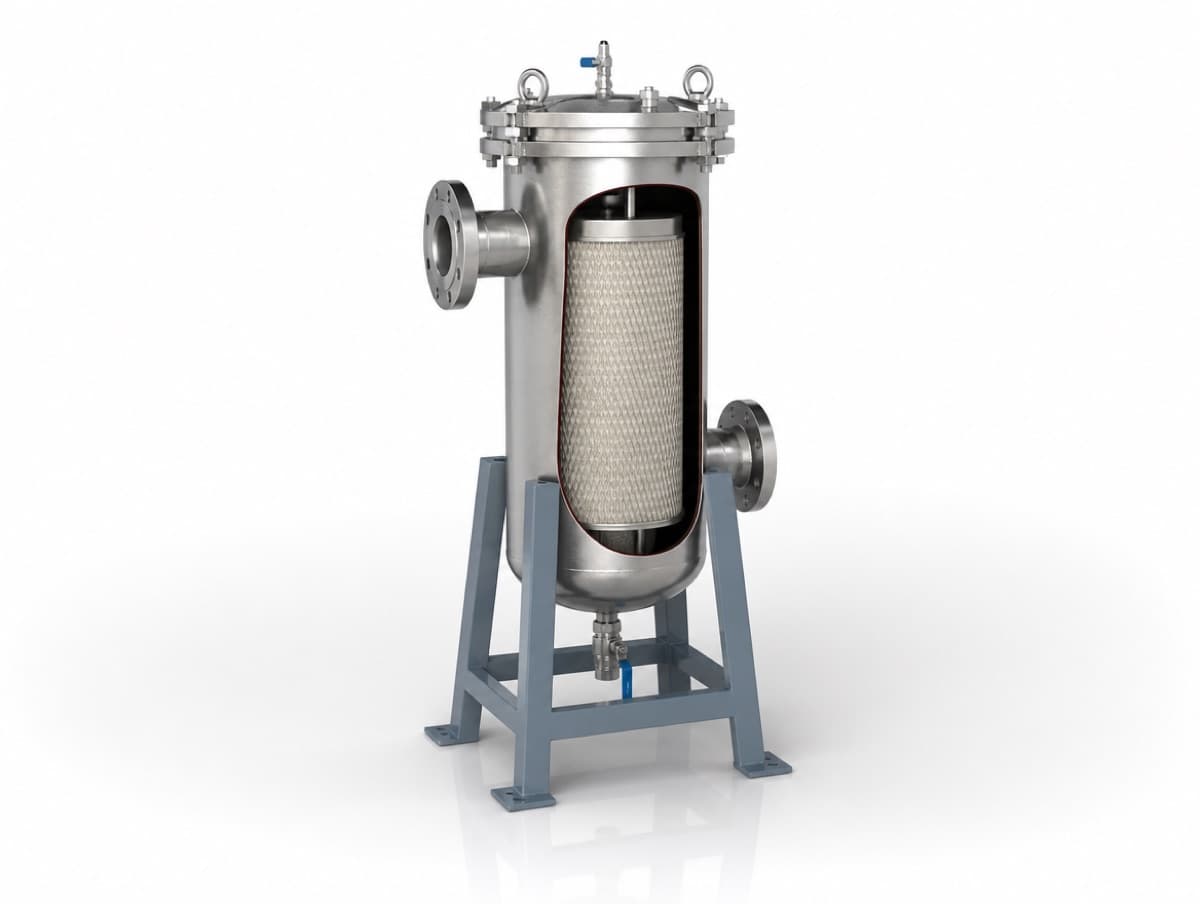 Coalescing Filters
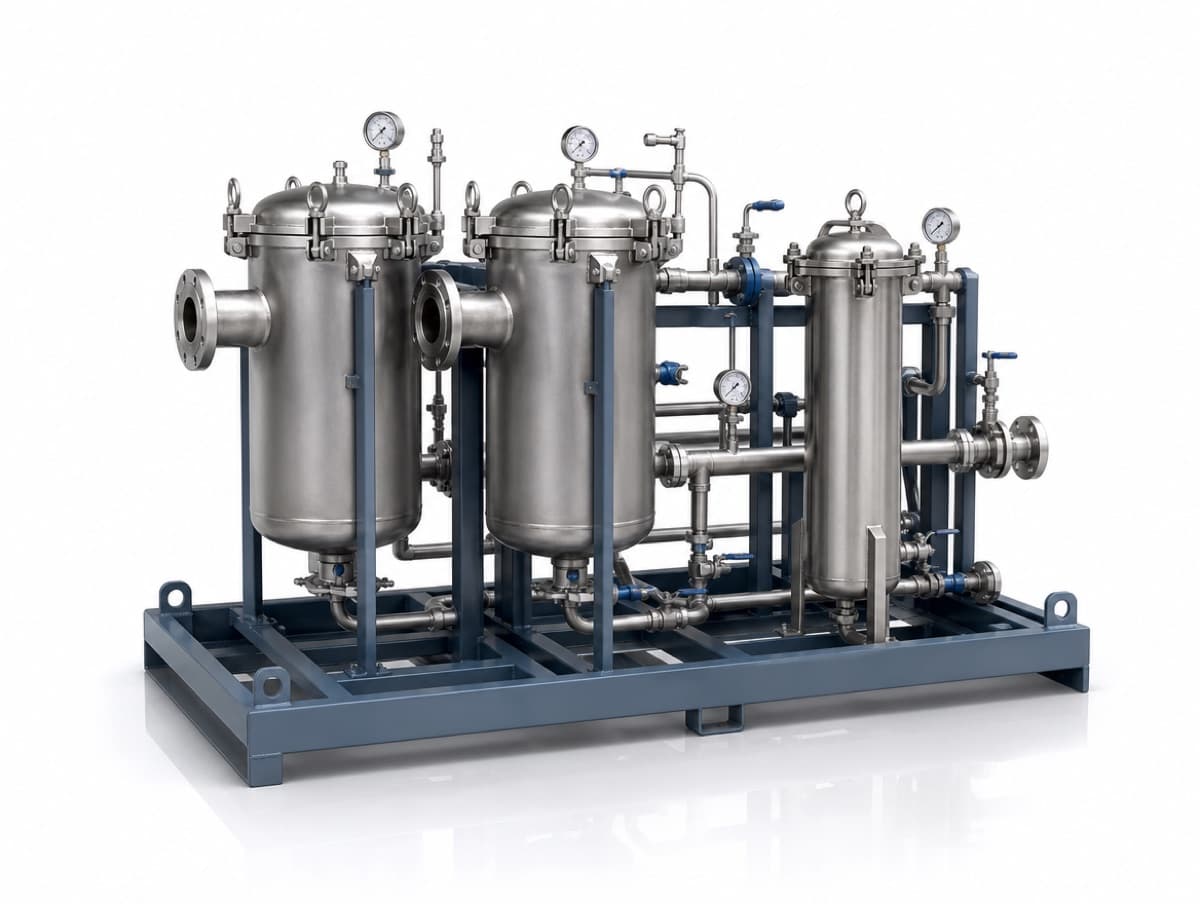 Industrial Bag & Cartridge Filtration
Equipment families
Every stage of the treatment train
Separation, biological treatment, membranes, dewatering and polishing — supplied as sized units or a complete train, with the process data to back the sizing.
From data to delivery
How a system gets sized
Four steps, one supplier. The sizing is engineering, not a catalogue lookup.
1
Send your effluent data
Flow rate, contaminant profile (FOG, TSS, BOD/COD, oils, metals) and your discharge limit or sewer-use bylaw. A lab report helps; an estimate is enough to start.
2
Get a sized treatment train
An engineer selects the stages — separation, biological, membrane, dewatering — sizes each unit to your flow and returns a proposal with equipment, footprint and price.
3
Supply and delivery
Units are built to the approved spec and shipped to your site anywhere in Canada, with drawings, manuals and start-up documentation.
4
Commissioning and parts
Start-up support, operator guidance and consumables — membranes, plate packs, polymer, filter media — for the life of the system.
Industries
Built for your effluent, not a generic one
Food and beverage, oil and gas, mining, pulp and paper, metal finishing, pharma — each sector has its own contaminants, bylaws and discharge limits. The equipment is chosen for yours.
Why a supplier, not a catalogue
Equipment that passes the bylaw
The difference between a system that meets its discharge limit and one that sits in a yard is the sizing. That is the part we do.
Sized, not sold
Every unit is selected from your flow and contaminant data. No oversizing to pad the invoice, no undersizing that fails the bylaw.
The whole train
Screening, DAF, biological, membranes, dewatering, polishing — one supplier and one point of responsibility across the stages.
Built to your discharge limit
Proposals reference the municipal sewer-use bylaw or provincial permit you have to meet, and size to it.
Canada-wide, bilingual
Supply and support for plants in every province, quoted and documented in English or French.
Data in the proposal
Design basis, removal targets, footprint and utilities are written down so your engineer can check the sizing.
Consumables and parts
Membranes, plate packs, polymer and media stocked for the equipment we supply.
Testimonials
What Our Customers Say
Real feedback from real customers across Canada.
“Our old DAF unit couldn't keep up after we added a second production line. They sized a replacement off our actual effluent numbers, not a brochure spec, and we've been under our surcharge threshold every month since it went in.”
D. Kowalski
Plant Manager, food processing — Toronto, ON
“We needed an RO system that could handle rinse water with heavy metals and they were upfront about what pretreatment it would take. The quote covered the dosing skid too, so there were no surprises at commissioning.”
M. Tremblay
Directeur des opérations, metal finishing — Montreal, QC
“Small brewery, big BOD problem. The city was about to fine us. Their compact treatment setup fit in the corner of our warehouse and the install crew worked around our brew days. Took a few weeks of tuning to dial in, but it's been solid since.”
S. Braithwaite
Head Brewer — Vancouver, BC
“The containerized plant went to a site two hours from anything. It arrived pre-piped and pre-wired, and their tech walked our operators through startup over two days. Discharge results have passed every quarterly sample since.”
R. Okafor
Environmental Coordinator, oil & gas services — Calgary, AB
“We wash forty trucks a week and the oil-water separator we bought elsewhere kept clogging. Theirs is oversized on purpose, which they explained would cost more upfront but save on pump-outs. They were right. We're down to one service call a quarter.”
J. Ferreira
Maintenance Supervisor, transport & fleet — Hamilton, ON
Canada-wide
Delivered and supported across Canada
Sizing, supply, commissioning support and parts for plants in every province — quoted in English or French.
New Brunswick
Newfoundland and Labrador
Prince Edward Island
Send the flow rate. Get the system.
Flow, contaminants, discharge limit. An engineer replies with a sized treatment train and a quote — no obligation.
FAQ
Frequently Asked Questions
Everything you need to know about our services.
What is a wastewater treatment plant?
A wastewater treatment plant is an engineered facility that removes contaminants — suspended solids, oils, organics, nutrients and metals — from used water before it is discharged to sewer, surface water or reuse. Industrial plants differ from municipal ones: they are sized for a specific effluent profile, so the design starts with characterization of your process water, then combines stages such as screening, equalization, chemical treatment, clarification or flotation, biological treatment and sludge dewatering. In Canada, the plant must meet the discharge limits in your provincial permit or municipal sewer bylaw, which is why we pilot-test the treatment train before committing to full-scale equipment. A well-designed plant protects compliance, cuts surcharge fees and can recover water for reuse.
What coagulant is used in water treatment?
The most common coagulants in industrial water treatment are aluminum-based (alum, polyaluminum chloride) and iron-based (ferric chloride, ferric sulfate) salts. They neutralize the surface charge of fine particles and colloids so they can agglomerate and settle or float. Which one is right depends on your water chemistry — pH, alkalinity, the type of solids or emulsified oil, and your discharge limits for residual aluminum or iron. PAC is a frequent first choice because it works across a wide pH range and produces less sludge than alum, while ferric salts excel on phosphorus removal and sulfide control. We run jar tests on your actual effluent to select the coagulant and dose before sizing the dosing system.
What is the most commonly used coagulant in water treatment?
Aluminum sulfate (alum) has historically been the most widely used coagulant, but in industrial applications polyaluminum chloride (PAC) has largely taken its place. PAC is pre-hydrolyzed, so it coagulates effectively over a broader pH range, consumes less alkalinity, performs better in cold Canadian water temperatures and produces a denser, lower-volume sludge — which matters when you pay to haul dewatered cake. Ferric chloride remains the workhorse where phosphorus removal or odour control is the driver. There is no universally best product: the right coagulant is the one that hits your discharge limits at the lowest total cost of chemical, sludge disposal and pH correction, which is exactly what a jar-test program establishes.
What is the most commonly used flocculant?
Synthetic polyacrylamide polymers are by far the most commonly used flocculants in industrial wastewater treatment. After a coagulant destabilizes fine particles, an anionic or cationic polyacrylamide bridges the micro-flocs into large, fast-settling or easily-dewatered flocs. Anionic grades dominate mineral and inorganic solids applications; cationic grades are standard for organic and biological sludges, including dewatering on filter presses, screw presses and centrifuges. Charge density and molecular weight are selected by bench screening, because an over- or under-dosed polymer wastes chemical and can blind filters. We supply make-down and dosing systems sized to your flow, and we screen polymers on your actual sludge so the flocculant is proven before the equipment ships.
What is industrial wastewater treatment?
Industrial wastewater treatment is the process of conditioning water used in manufacturing, food processing, mining or resource operations so it can be legally discharged or reused. Unlike municipal sewage, industrial effluent varies enormously — a dairy plant fights fats and BOD, a metal finisher fights dissolved metals, a mine fights suspended solids and sulfates — so the treatment train is engineered case by case. Typical building blocks include screening, equalization, pH neutralization, coagulation-flocculation, dissolved air flotation or clarification, biological treatment (MBBR, MBR, anaerobic), membrane polishing and sludge dewatering. The goal is consistent compliance with your provincial permit or sewer bylaw at the lowest operating cost, and increasingly, recovery of water back into the process.