Loading...
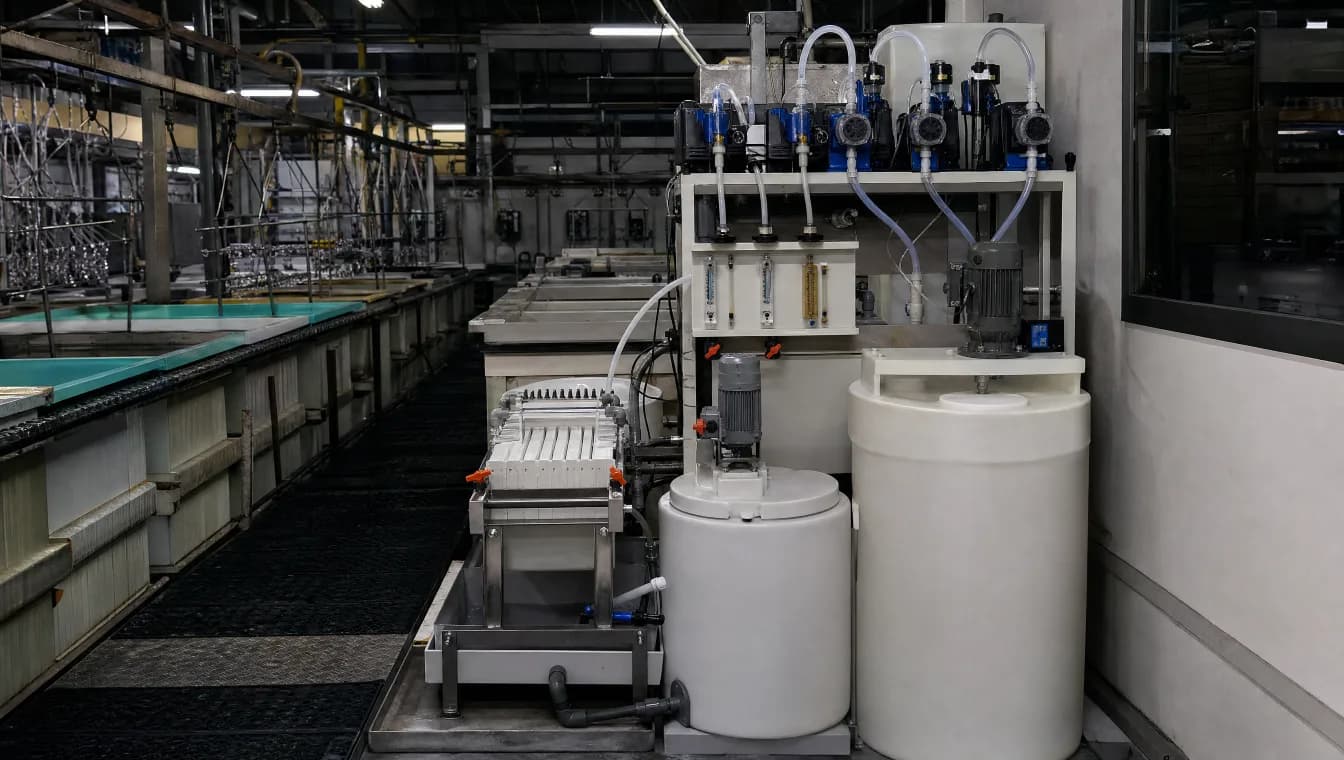
Industrial wastewater treatment equipment for Metal Finishing & Plating
Heavy metals precipitation and removal · Chrome and cyanide destruction · Filter-press dewatering of metal hydroxide sludge
Why Metal Finishing & Plating Chooses Industrial Wastewater Canada
Metal finishing shops are small facilities with outsized regulatory exposure. A plating line occupying a few thousand square feet can discharge chromium, nickel, zinc, copper and cyanide, the exact substances that municipal sewer bylaws police most aggressively, because they pass through municipal plants untreated and end up in biosolids or receiving waters. Metal finishing wastewater treatment is consequently one of the few industrial sectors where even small operations run genuine chemical treatment plants, and where a compliance failure can close the business rather than just fine it.
Batch chemistry, in order
The chemistry is batch logic, done in the right order. Cyanide streams are oxidized first, alone, with alkaline chlorination, because mixing them with acid wastes releases hydrogen cyanide gas. Hexavalent chromium is reduced to trivalent under acid conditions before it will precipitate. Only then do the combined streams get pH adjustment to the hydroxide precipitation window, flocculation, and settling in a lamella clarifier or batch tank. The resulting metal hydroxide sludge is dewatered in a filter press and, in most provinces, ships as hazardous waste, which makes every kilogram of sludge a recurring cost worth engineering down.
Rinse water decides the size
Rinse water strategy decides the size of everything. Counterflow rinsing and drag-out reduction can cut treatment volume dramatically before a dollar is spent on equipment, and ion exchange on segregated rinse streams can recover metal and return polished water to the line. For shops chasing closed loop operation, an industrial reverse osmosis system after conventional treatment brings water back to rinse quality and shrinks the discharge to a concentrate stream.
Batch and continuous systems
We supply batch and continuous treatment systems, chrome reduction and cyanide destruction packages, clarifiers, filter presses and ion exchange skids, sized for the realities of a job shop: intermittent flow, changing work mix, and one operator who has other duties.
Tell us your line list
Tell us your line list, your bath chemistry and your bylaw limits. We will propose a system that treats in the right order, logs what your inspector wants logged, and fits the floor space you actually have. Anodizers and galvanizers fit the same framework with different chemistry, and job shops that add a new bath line should tell their treatment supplier before the first batch runs, because one new chelating agent can quietly defeat a hydroxide precipitation system.
| Sector | Metal Finishing & Plating |
|---|---|
| Common applications | Heavy metals precipitation and removal · Chrome and cyanide destruction · Filter-press dewatering of metal hydroxide sludge |
| Service area | Canada |
Key takeaways
- Heavy metals precipitation and removal
- Chrome and cyanide destruction
- Filter-press dewatering of metal hydroxide sludge
Metal Finishing & Plating Wastewater Treatment Use Cases
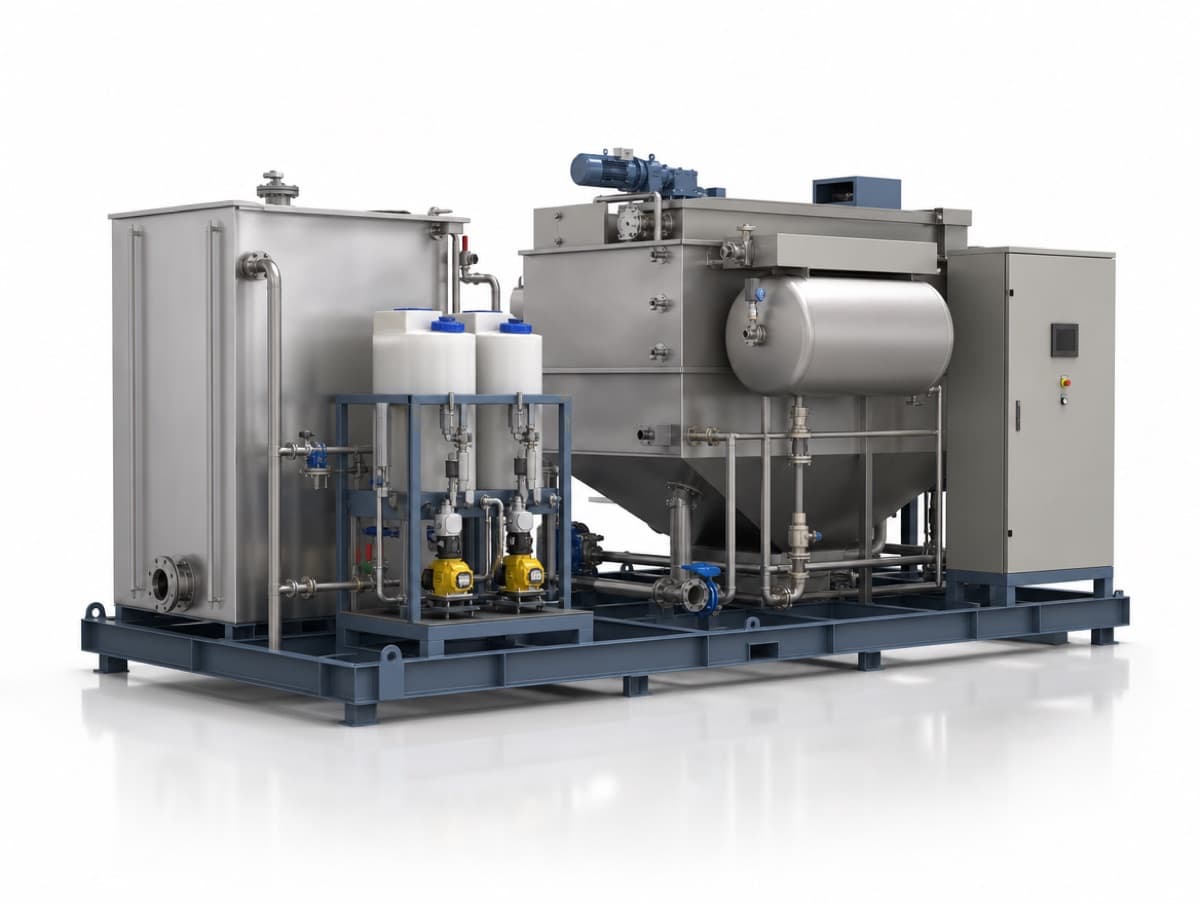
Heavy metals precipitation and removal
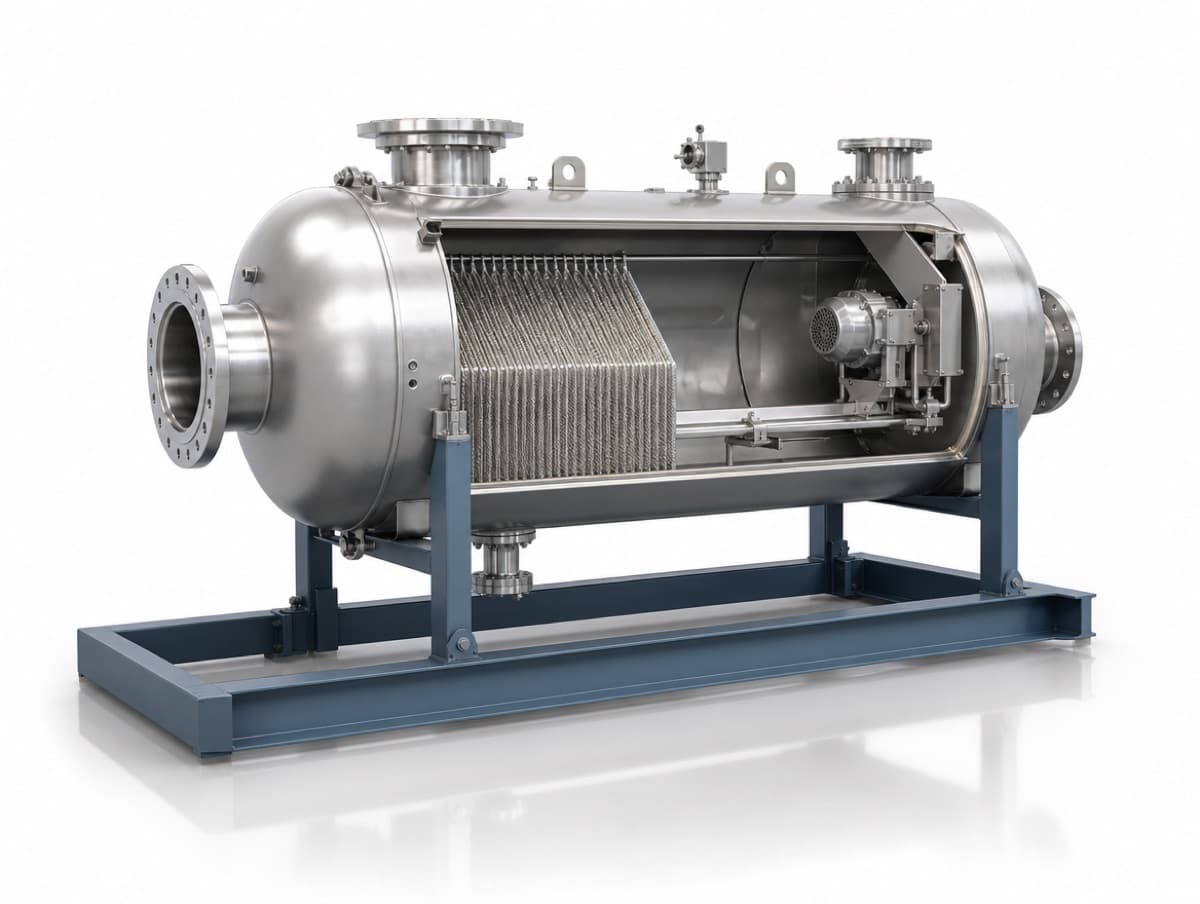
Chrome and cyanide destruction
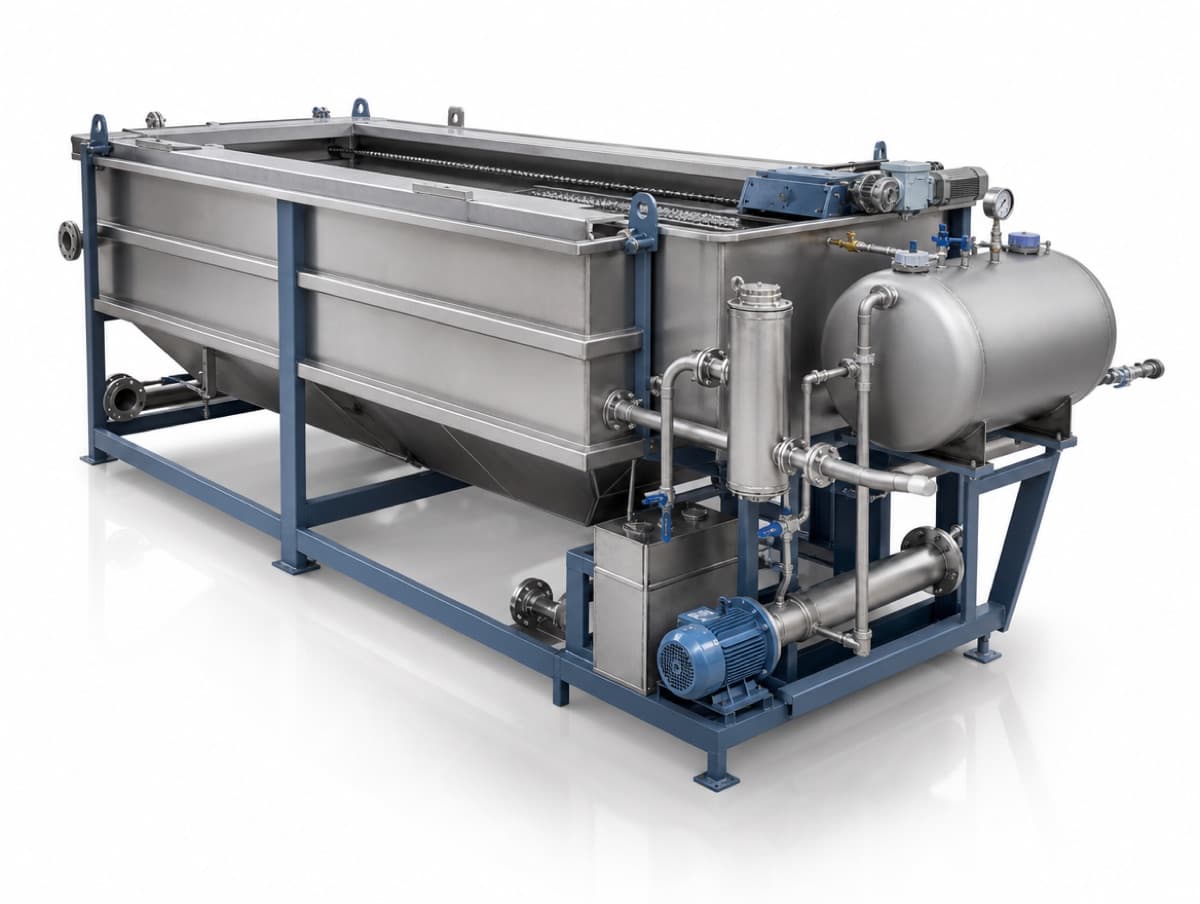
Filter-press dewatering of metal hydroxide sludge
FAQ
Frequently Asked Questions
Everything you need to know about our services.
What makes Metal Finishing & Plating wastewater difficult to treat?
Metal finishing shops are small facilities with outsized regulatory exposure. A plating line occupying a few thousand square feet can discharge chromium, nickel, zinc, copper and cyanide, the exact substances that municipal sewer bylaws police most aggressively, because they pass through municipal plants untreated and end up in biosolids or receiving.
Which treatment steps apply in Metal Finishing & Plating plants?
The applications we are asked for most often in this sector: Heavy metals precipitation and removal, Chrome and cyanide destruction and Filter-press dewatering of metal hydroxide sludge. The actual train is assembled from your effluent characterization, not from a sector template.
What do you need to quote a Metal Finishing & Plating project?
Three things: your flow rate, a recent lab analysis or a plain description of the process generating the water, and where the effluent goes (municipal sewer, provincial permit or reuse). With those we return a sized configuration, budget price and delivery timeline.
Do you serve Metal Finishing & Plating sites outside major cities?
Yes. We cover Canada, including remote sites with no municipal sewer connection, where containerized or skid-mounted packages are usually the right answer.
Send the flow rate. Get the system.
Flow, contaminants, discharge limit. An engineer replies with a sized treatment train and a quote — no obligation.