Loading...
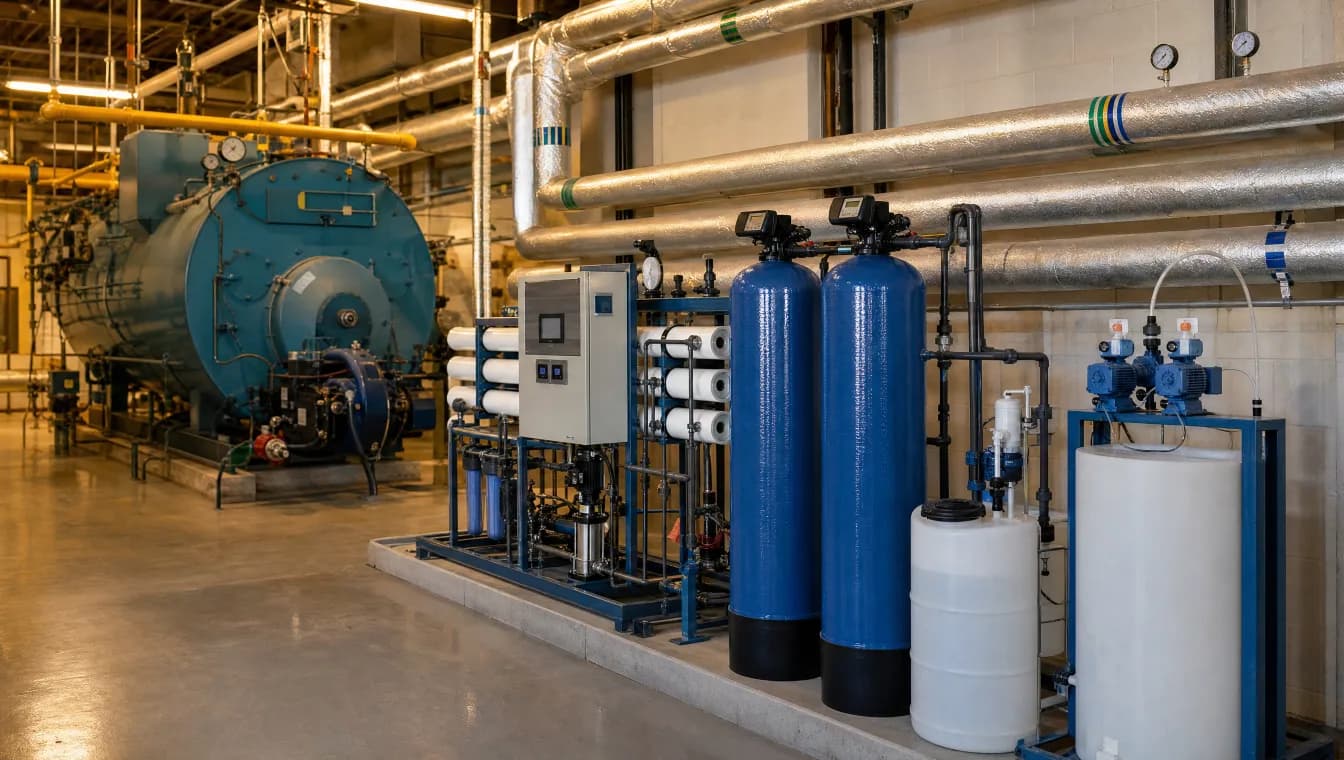
Industrial wastewater treatment equipment for Power, Boilers & Cooling Towers
RO pretreatment of boiler feedwater · Cooling tower blowdown treatment · Side-stream filtration for scale control
Why Power, Boilers & Cooling Towers Chooses Industrial Wastewater Canada
Boilers and cooling towers are the two places where a plant's water problems become energy problems. A millimetre of scale on a boiler tube forces the burner to work measurably harder for the same steam. A fouled cooling tower approaches its design temperature limit on the hottest week of the year, exactly when production can least afford it. Boiler and cooling tower water treatment is therefore less about meeting a discharge permit than about protecting the equipment the water passes through, though the blowdown from both systems still has to go somewhere legal.
The boiler side
On the boiler side, the goal is feedwater that will not scale, corrode or carry over into the steam. Softening removes hardness; an industrial reverse osmosis system ahead of the softener or in place of it takes out the dissolved solids load wholesale, which cuts chemical consumption and lets the boiler run more cycles of concentration before blowdown. Higher cycles mean less blowdown, and less blowdown means less fuel heating water that goes straight to the drain. For high-pressure boilers, RO followed by demineralization or electrodeionization is the standard train. The payback arithmetic usually favours RO strongly at Canadian fuel prices, and we will run it with your numbers rather than assert it.
The cooling tower side
Cooling towers concentrate whatever the makeup water brings, so the levers are the same: better makeup, smarter cycles, and side-stream filtration to strip the solids that the tower scrubs from the air. A side-stream filter on a recirculating loop keeps heat-exchange surfaces cleaner and reduces the biocide demand. Where makeup water is scarce or expensive, treated plant effluent can serve as tower makeup after polishing, a reuse route more Canadian plants adopt every year.
Sized from your water analysis
We supply RO skids, softeners, filtration packages, blowdown heat-recovery equipment and side-stream filters, and we size them from your water analysis and operating pressures. Send the analysis, the boiler and tower specifications and your current cycle count. The proposal will show the water, fuel and chemical savings line by line. Legionella management has also moved from good practice to expectation in Canadian facilities, and while control programs are chemical and operational, the filtration and makeup-quality improvements we supply reduce the nutrient and solids load that makes towers hospitable in the first place.
| Sector | Power, Boilers & Cooling Towers |
|---|---|
| Common applications | RO pretreatment of boiler feedwater · Cooling tower blowdown treatment · Side-stream filtration for scale control |
| Service area | Canada |
Key takeaways
- RO pretreatment of boiler feedwater
- Cooling tower blowdown treatment
- Side-stream filtration for scale control
Power, Boilers & Cooling Towers Wastewater Treatment Use Cases
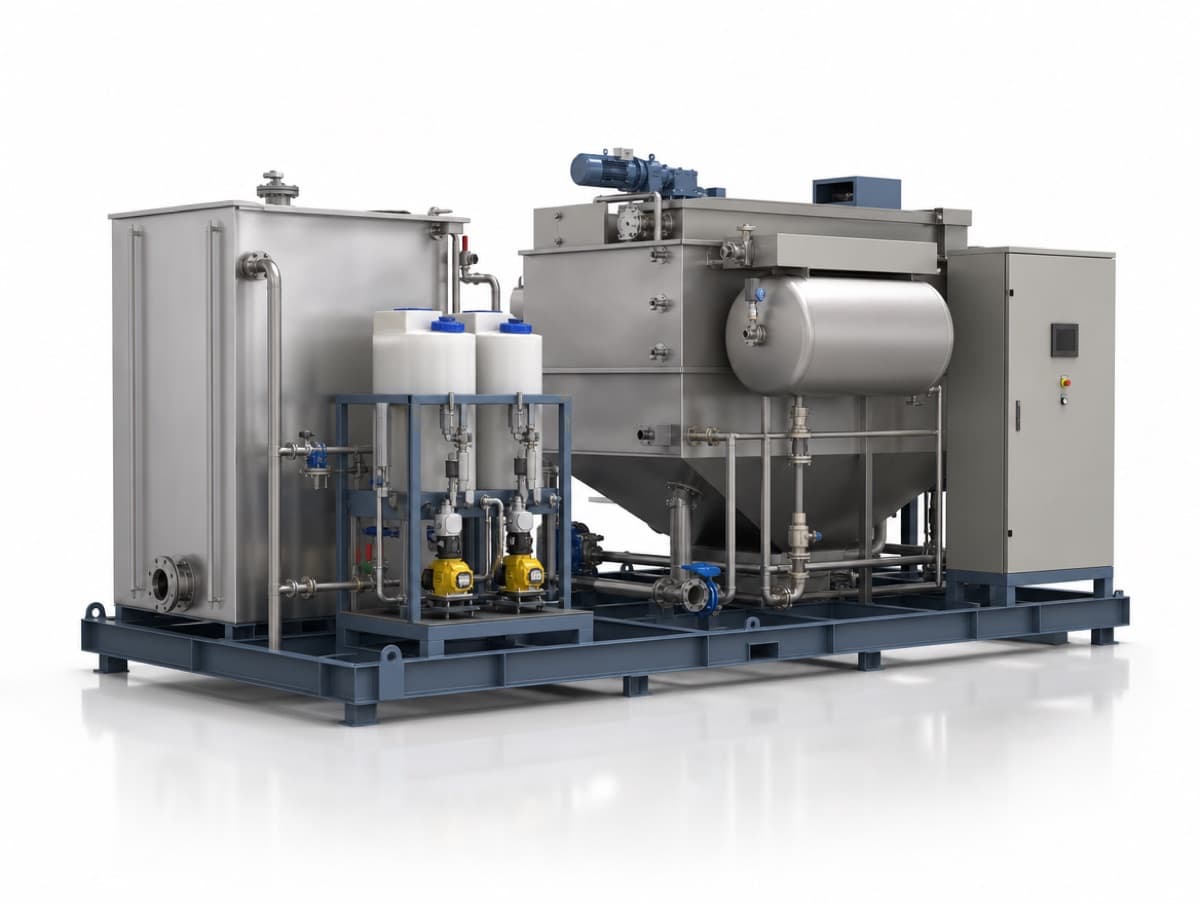
RO pretreatment of boiler feedwater
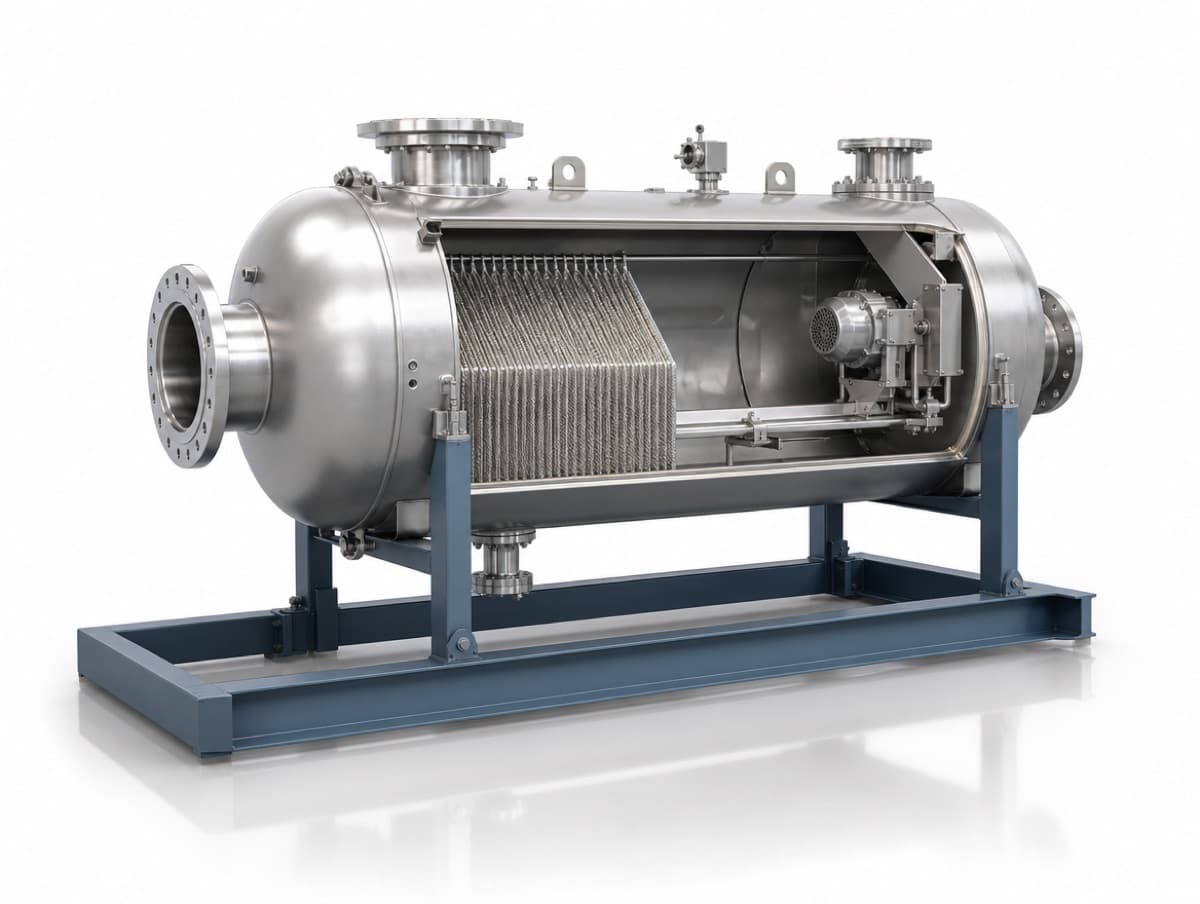
Cooling tower blowdown treatment
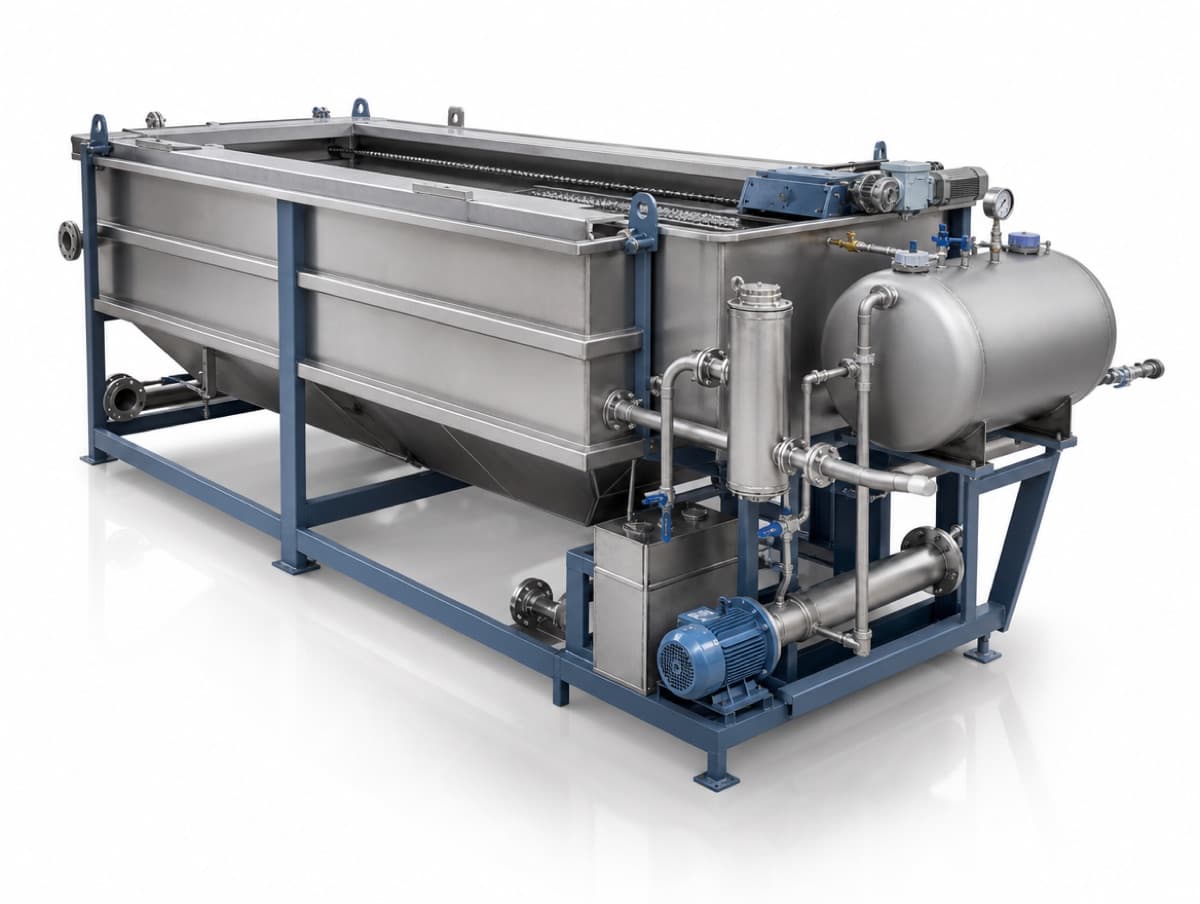
Side-stream filtration for scale control
FAQ
Frequently Asked Questions
Everything you need to know about our services.
What makes Power, Boilers & Cooling Towers wastewater difficult to treat?
Boilers and cooling towers are the two places where a plant's water problems become energy problems. A millimetre of scale on a boiler tube forces the burner to work measurably harder for the same steam. A fouled cooling tower approaches its design temperature limit on the hottest week of the year, exactly when production can least afford it.
Which treatment steps apply in Power, Boilers & Cooling Towers plants?
The applications we are asked for most often in this sector: RO pretreatment of boiler feedwater, Cooling tower blowdown treatment and Side-stream filtration for scale control. The actual train is assembled from your effluent characterization, not from a sector template.
What do you need to quote a Power, Boilers & Cooling Towers project?
Three things: your flow rate, a recent lab analysis or a plain description of the process generating the water, and where the effluent goes (municipal sewer, provincial permit or reuse). With those we return a sized configuration, budget price and delivery timeline.
Do you serve Power, Boilers & Cooling Towers sites outside major cities?
Yes. We cover Canada, including remote sites with no municipal sewer connection, where containerized or skid-mounted packages are usually the right answer.
Send the flow rate. Get the system.
Flow, contaminants, discharge limit. An engineer replies with a sized treatment train and a quote — no obligation.