Loading...
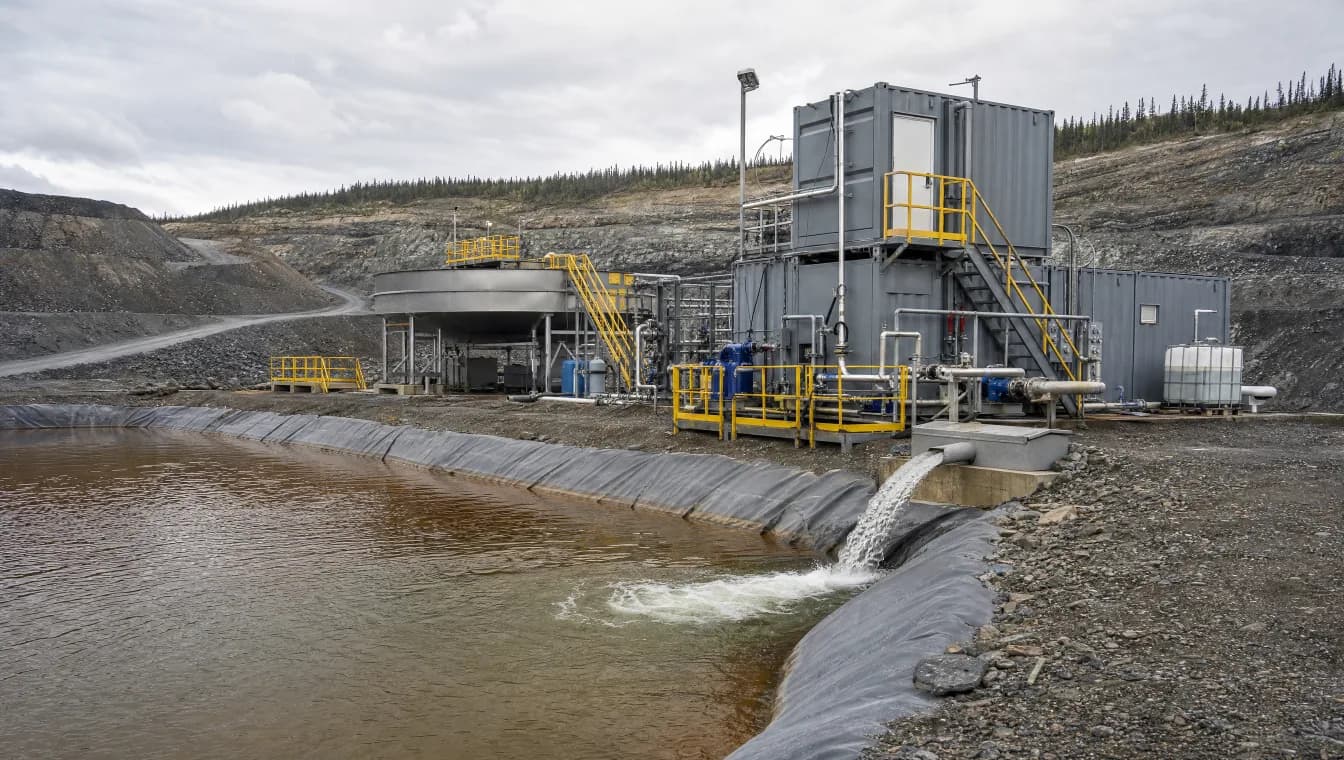
Industrial wastewater treatment equipment for Mining & Mineral Processing
Metals precipitation and clarification · Tailings water dewatering · RO polishing of discharge water
Why Mining & Mineral Processing Chooses Industrial Wastewater Canada
Mine water treatment is a logistics problem wearing a chemistry costume. The chemistry is well understood: neutralize acidity with lime, precipitate dissolved metals as hydroxides, settle or filter the solids, and polish for whatever the permit singles out, whether that is selenium, arsenic, ammonia from blasting residue, or cyanide at gold operations. What makes mining hard is where it happens. The treatment plant that works on paper must also work at the end of a winter road, staffed by a rotating crew, at minus forty, for a mine life that might be nine years or ninety.
The federal effluent rules
Canadian mines discharge under the federal Metal and Diamond Mining Effluent Regulations, which set limits on metals, pH, total suspended solids and toxicity to fish, alongside provincial and territorial permits that are often tighter and site-specific. Water balance drives everything: a mine in the wet season is fighting volume, a mine in freeze-up is storing water it cannot treat fast enough, and closure planning means the water often needs treating long after the ore is gone.
Solids and metals first
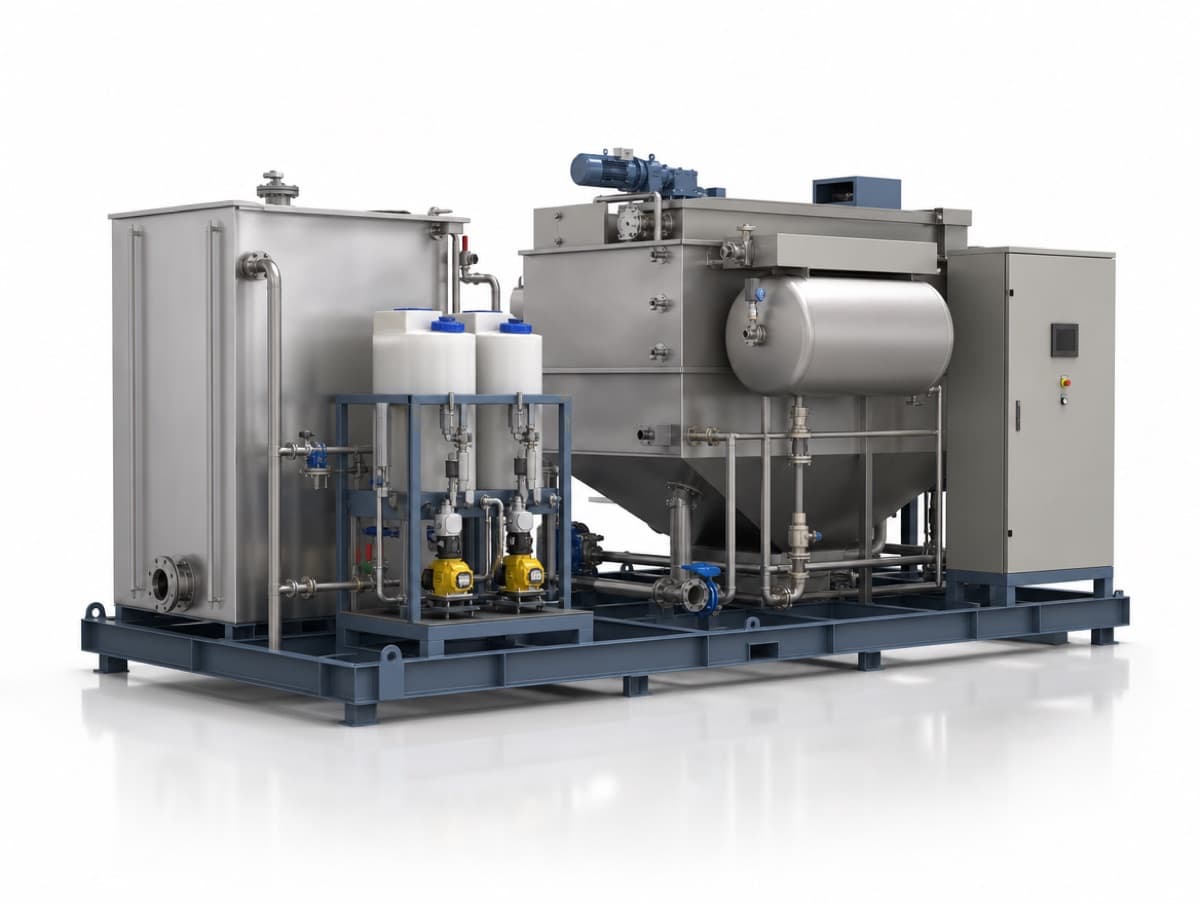
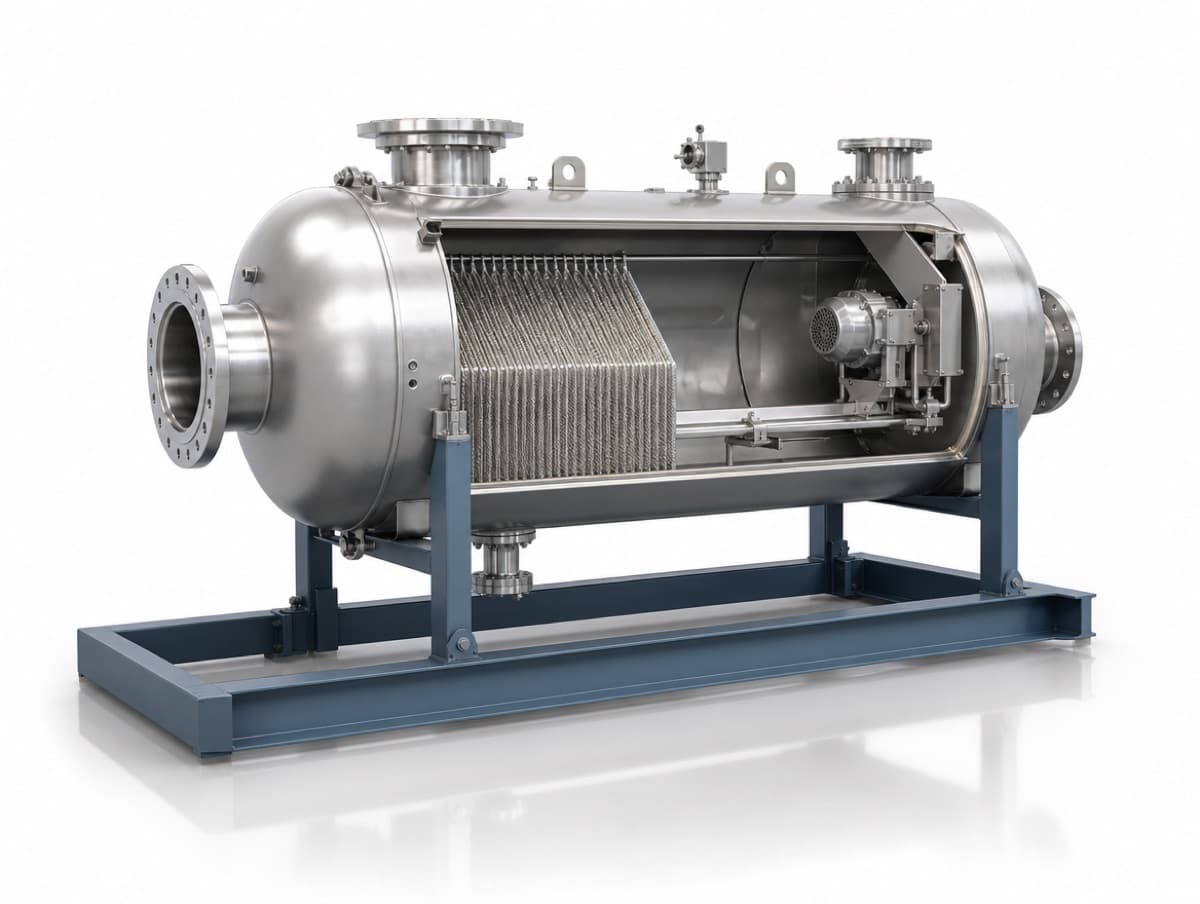
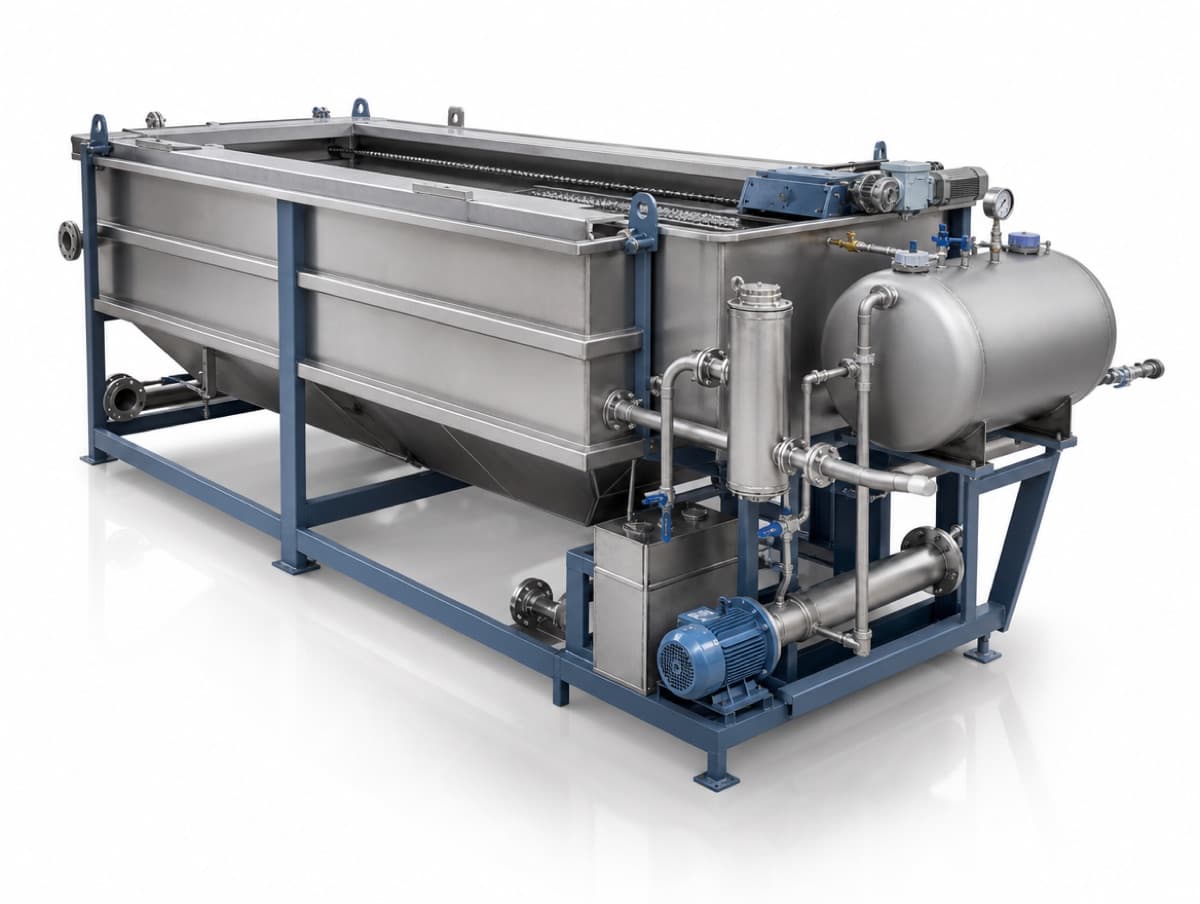
Our equipment scope in this sector centres on solids and metals. Lime dosing and reaction tanks, lamella clarifiers that put high settling capacity inside a heated building footprint, filter presses and dewatering centrifuges for the metal hydroxide sludge, and industrial reverse osmosis or ion exchange where dissolved contaminants like selenium and sulphate need more than precipitation. For camps and advanced exploration sites we supply containerized mine water treatment plants that arrive winterized, pre-piped and tested, because field construction hours are the most expensive line in any northern budget.
Maintainability decides
The difference between a plant that runs and a plant that gets bypassed is usually maintainability. We select equipment that a millwright can service with the parts on site, and we design the sludge line for the haul distance the mine actually faces.
What to bring us
Bring us your water quality data, your permit limits and your site logistics. We will size the treatment train around all three, because at a mine, ignoring the third one is how projects fail. We also support the front end of mine life: bulk sample programs and advanced exploration camps carry discharge obligations of their own, and a rented or repurposed containerized plant is usually the right-sized answer at that stage.
| Sector | Mining & Mineral Processing |
|---|---|
| Common applications | Metals precipitation and clarification · Tailings water dewatering · RO polishing of discharge water |
| Service area | Canada |
Key takeaways
- Metals precipitation and clarification
- Tailings water dewatering
- RO polishing of discharge water
Mining & Mineral Processing Wastewater Treatment Use Cases
Metals precipitation and clarification
Tailings water dewatering
RO polishing of discharge water
FAQ
Frequently Asked Questions
Everything you need to know about our services.
What makes Mining & Mineral Processing wastewater difficult to treat?
Mine water treatment is a logistics problem wearing a chemistry costume. The chemistry is well understood: neutralize acidity with lime, precipitate dissolved metals as hydroxides, settle or filter the solids, and polish for whatever the permit singles out, whether that is selenium, arsenic, ammonia from blasting residue, or cyanide at gold operations.
Which treatment steps apply in Mining & Mineral Processing plants?
The applications we are asked for most often in this sector: Metals precipitation and clarification, Tailings water dewatering and RO polishing of discharge water. The actual train is assembled from your effluent characterization, not from a sector template.
What do you need to quote a Mining & Mineral Processing project?
Three things: your flow rate, a recent lab analysis or a plain description of the process generating the water, and where the effluent goes (municipal sewer, provincial permit or reuse). With those we return a sized configuration, budget price and delivery timeline.
Do you serve Mining & Mineral Processing sites outside major cities?
Yes. We cover Canada, including remote sites with no municipal sewer connection, where containerized or skid-mounted packages are usually the right answer.
Send the flow rate. Get the system.
Flow, contaminants, discharge limit. An engineer replies with a sized treatment train and a quote — no obligation.