Loading...
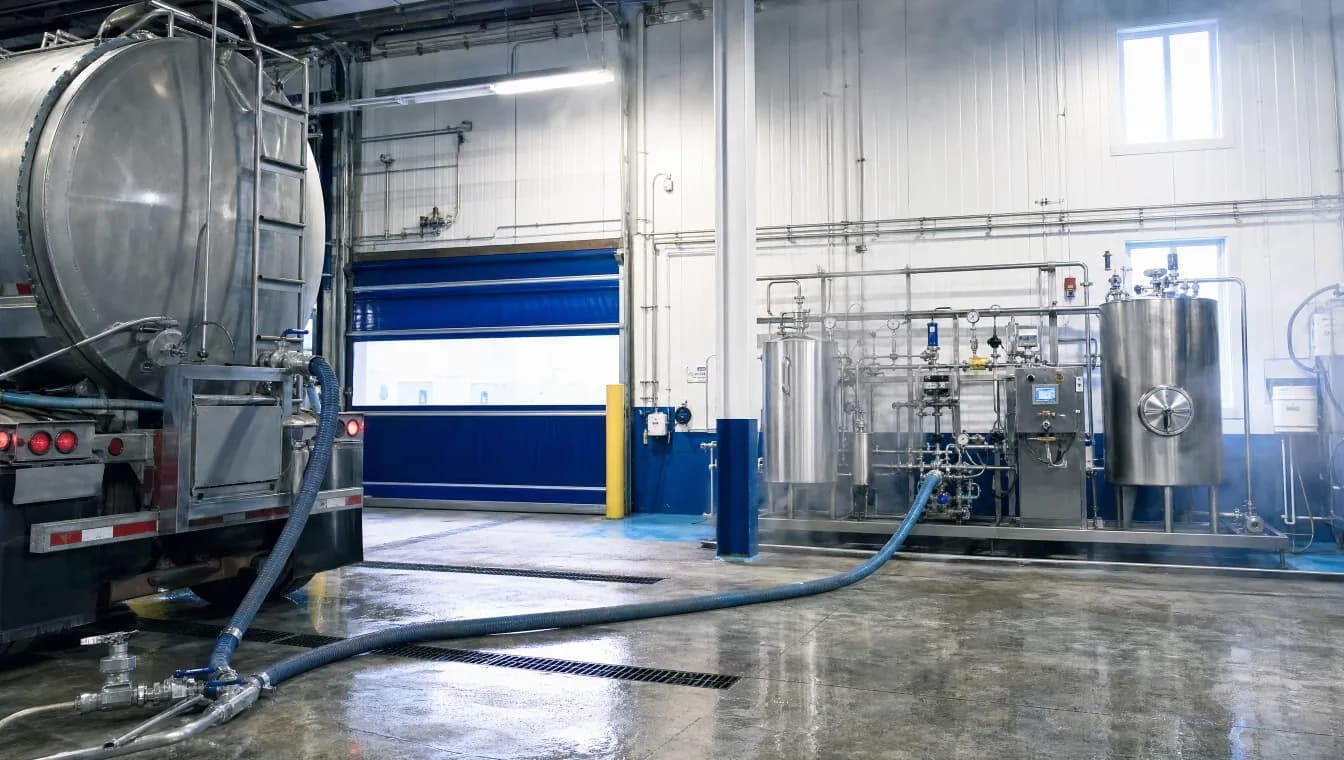
Industrial wastewater treatment equipment for Dairy Processing
Whey and CIP wastewater equalization · DAF + MBBR for BOD reduction · Sludge dewatering with screw presses
Why Dairy Processing Chooses Industrial Wastewater Canada
Ask any dairy plant operator what drives their effluent problem and the answer is usually the same: whey, wash water and clean-in-place chemistry. Milk solids are almost pure BOD. A single tanker of spilled or off-spec milk can hit a treatment system harder than a full day of normal production. Add caustic and acid CIP cycles that swing pH from 2 to 12 within hours, and dairy wastewater treatment becomes as much about equalization and control as it is about removal.
Cheese and yogurt carry the sharpest loads
Cheese and yogurt operations face the sharpest loads. Whey carries lactose and protein at concentrations that municipal plants will not accept without heavy surcharges, and many Canadian municipalities now meter overstrength discharge closely enough that the fees show up as a separate line on the utility bill. Fluid-milk plants run lighter but more variable, with load following the packaging schedule rather than a steady curve.
The equipment response
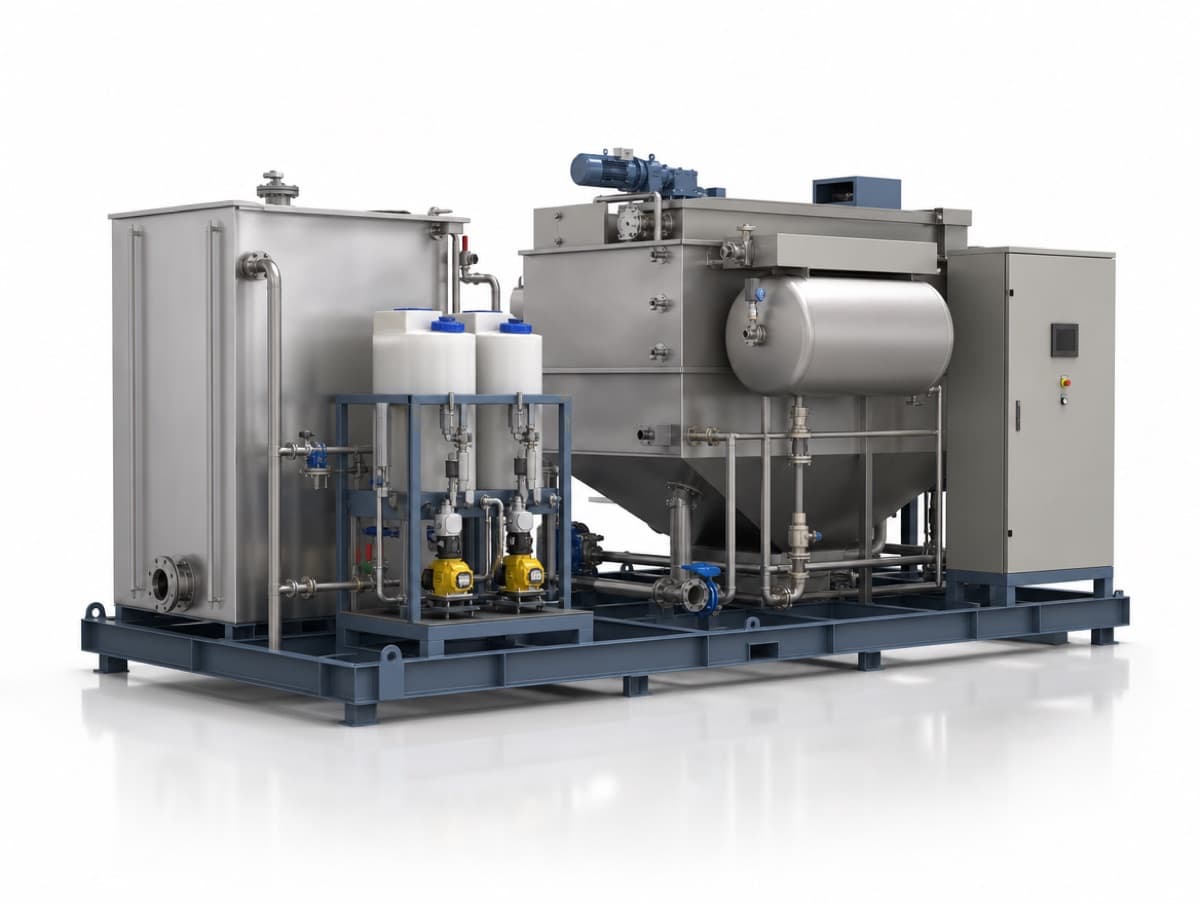
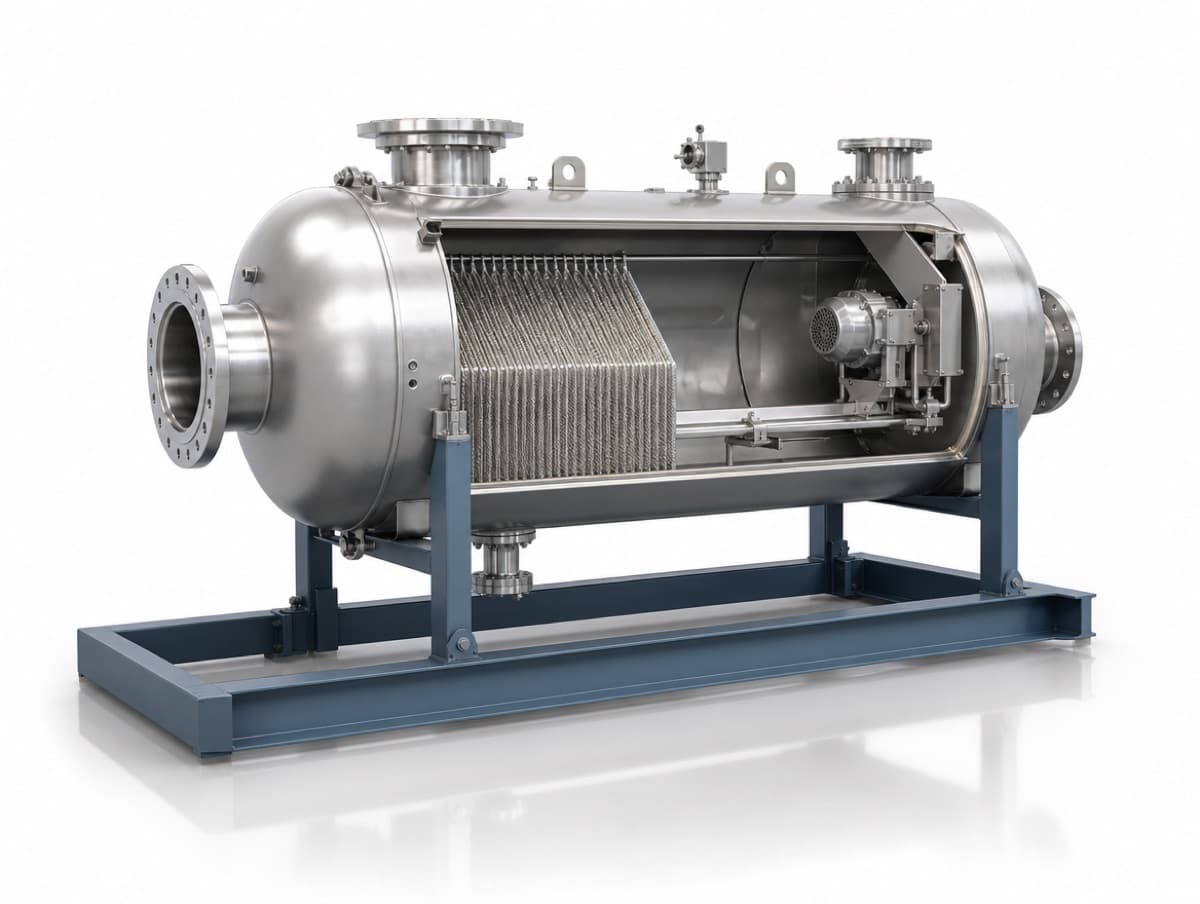
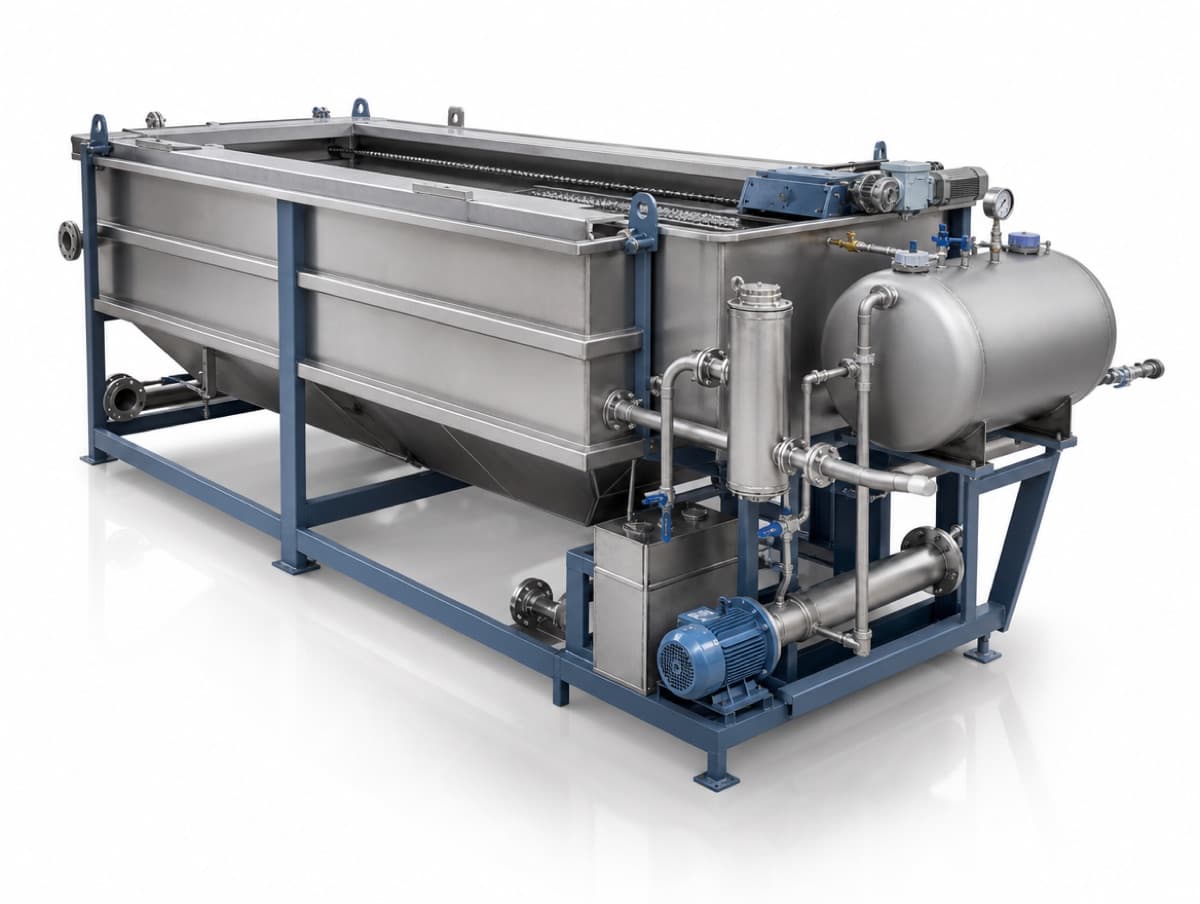
The equipment response follows the problem. An equalization tank with pH correction comes first, sized to absorb both the CIP swings and the occasional dumped batch. Dissolved air flotation removes fat and protein solids after chemical conditioning; for dairies this stage alone often brings the discharge back under bylaw limits. Where a plant discharges to a lagoon or a small rural sewer, a moving bed biofilm reactor adds biological polishing in a compact footprint that fits inside an existing building. The float and biological sludge dewater well on a screw press, and several of our dairy customers send the pressed cake to local farms.
Quoted from your data
Every dairy is different in ratio even when the ingredients are the same, so we quote from data. A week of flow logging, a composite sample analyzed for BOD, TSS, FOG and pH, and a copy of your discharge agreement are enough for us to size the tanks, the DAF and the dewatering equipment and give you a firm budget. If your plant is remote, the same treatment train can arrive as a containerized package that needs only power, a pad and pipe connections. One caution from experience: undersized equalization is the most common failure we see in dairy retrofits, because the tank was sized for average flow while the CIP schedule delivers the load in two or three daily pulses that the average never shows.
| Sector | Dairy Processing |
|---|---|
| Common applications | Whey and CIP wastewater equalization · DAF + MBBR for BOD reduction · Sludge dewatering with screw presses |
| Service area | Canada |
Key takeaways
- Whey and CIP wastewater equalization
- DAF + MBBR for BOD reduction
- Sludge dewatering with screw presses
Dairy Processing Wastewater Treatment Use Cases
Whey and CIP wastewater equalization
DAF + MBBR for BOD reduction
Sludge dewatering with screw presses
FAQ
Frequently Asked Questions
Everything you need to know about our services.
What makes Dairy Processing wastewater difficult to treat?
Ask any dairy plant operator what drives their effluent problem and the answer is usually the same: whey, wash water and clean-in-place chemistry. Milk solids are almost pure BOD. A single tanker of spilled or off-spec milk can hit a treatment system harder than a full day of normal production.
Which treatment steps apply in Dairy Processing plants?
The applications we are asked for most often in this sector: Whey and CIP wastewater equalization, DAF + MBBR for BOD reduction and Sludge dewatering with screw presses. The actual train is assembled from your effluent characterization, not from a sector template.
What do you need to quote a Dairy Processing project?
Three things: your flow rate, a recent lab analysis or a plain description of the process generating the water, and where the effluent goes (municipal sewer, provincial permit or reuse). With those we return a sized configuration, budget price and delivery timeline.
Do you serve Dairy Processing sites outside major cities?
Yes. We cover Canada, including remote sites with no municipal sewer connection, where containerized or skid-mounted packages are usually the right answer.
Send the flow rate. Get the system.
Flow, contaminants, discharge limit. An engineer replies with a sized treatment train and a quote — no obligation.