Loading...
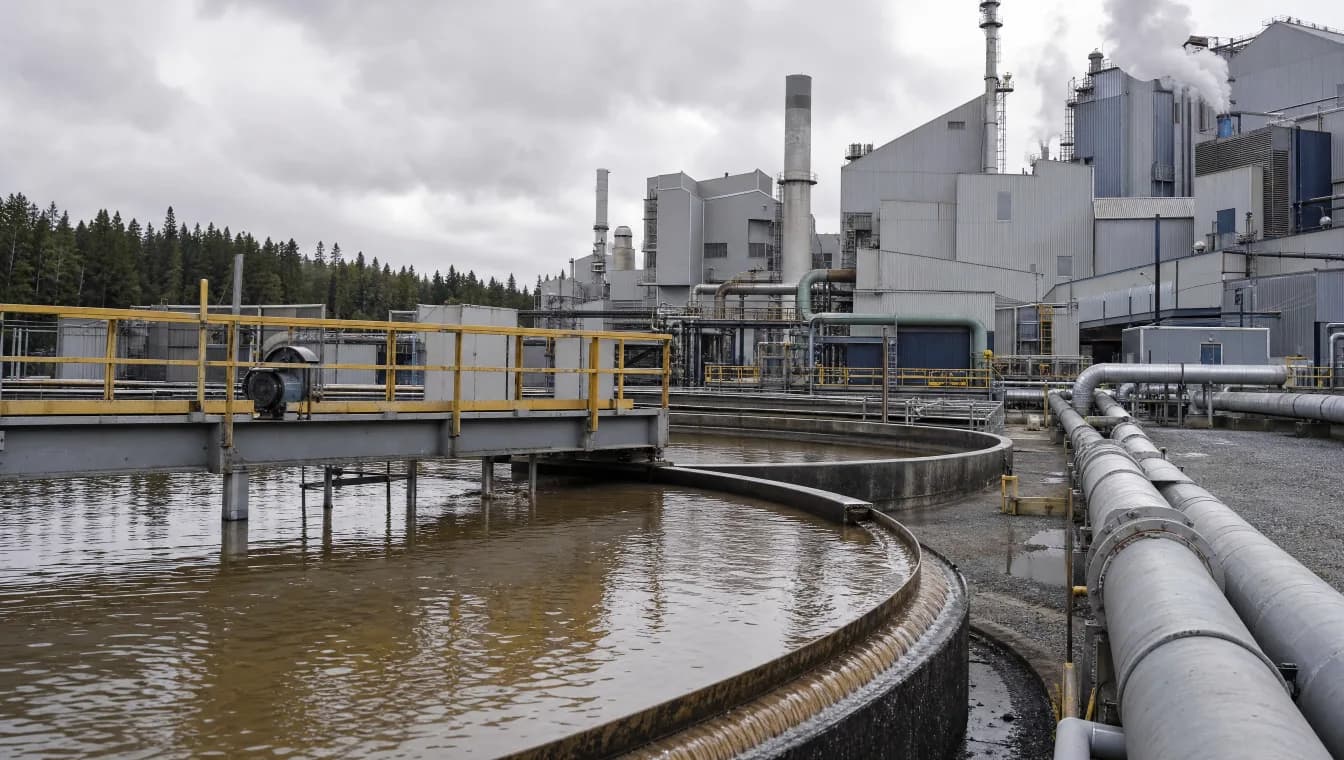
Industrial wastewater treatment equipment for Pulp & Paper
Lamella clarification of fibre-laden effluent · Secondary biological treatment upgrades · High-volume sludge dewatering
Why Pulp & Paper Chooses Industrial Wastewater Canada
Pulp and paper is the most water-intensive manufacturing sector in Canada, and it operates under the most specific federal effluent rules of any industry we serve. The Pulp and Paper Effluent Regulations under the Fisheries Act set limits on BOD and total suspended solids and require environmental effects monitoring on the receiving water. Mills have lived with these rules for decades, which means pulp and paper wastewater treatment projects are rarely about building a first system. They are about debottlenecking, upgrading or replacing stages inside an existing treatment plant while the mill keeps running.
Effluent varies with the process
The effluent itself varies with the process. Kraft mills contribute black liquor losses, foul condensates and bleach plant filtrates. Mechanical pulping releases fine fibre and dissolved wood extractives that carry both BOD and toxicity to fish. Paper machines add white water rich in fibre and filler. What the streams share is volume: even a mid-size mill moves more effluent in a day than a small city.
Primary clarification, our main lever
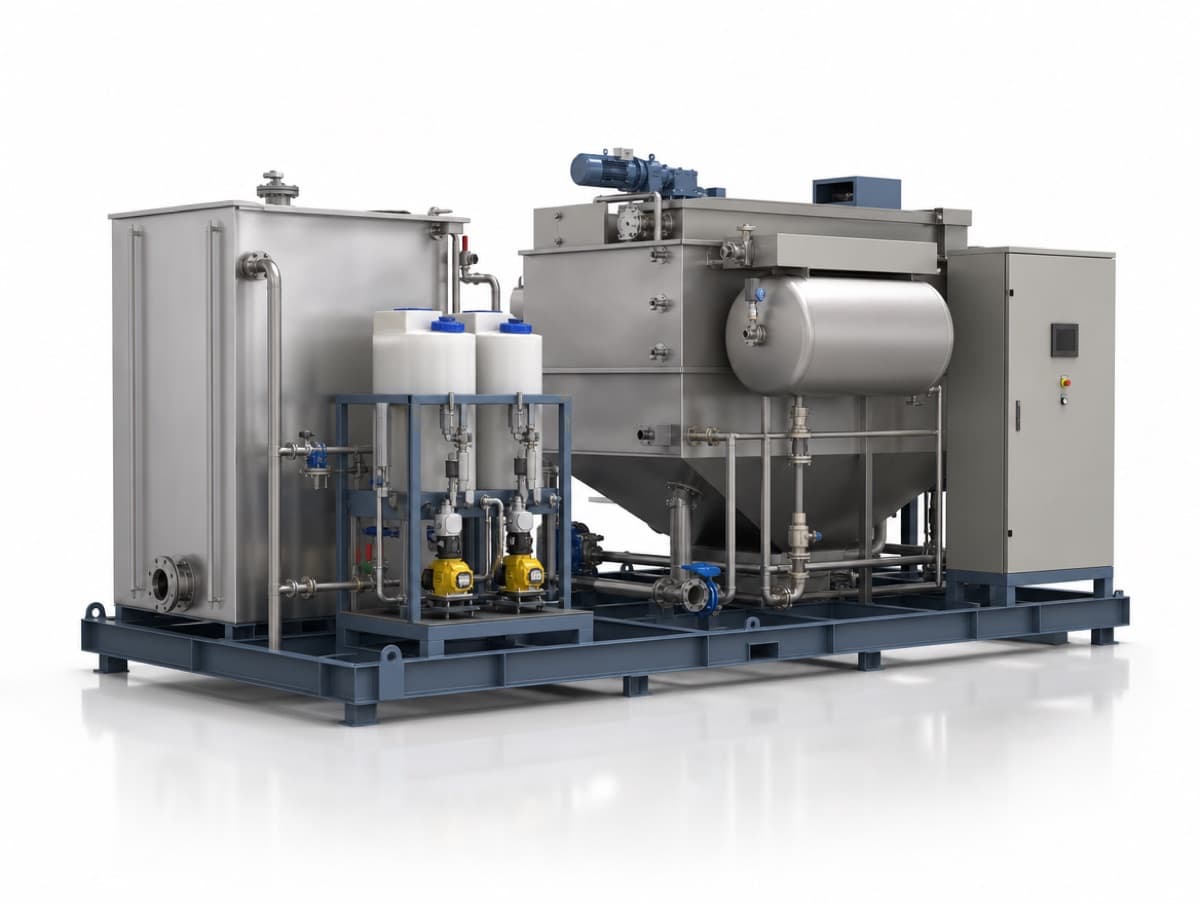
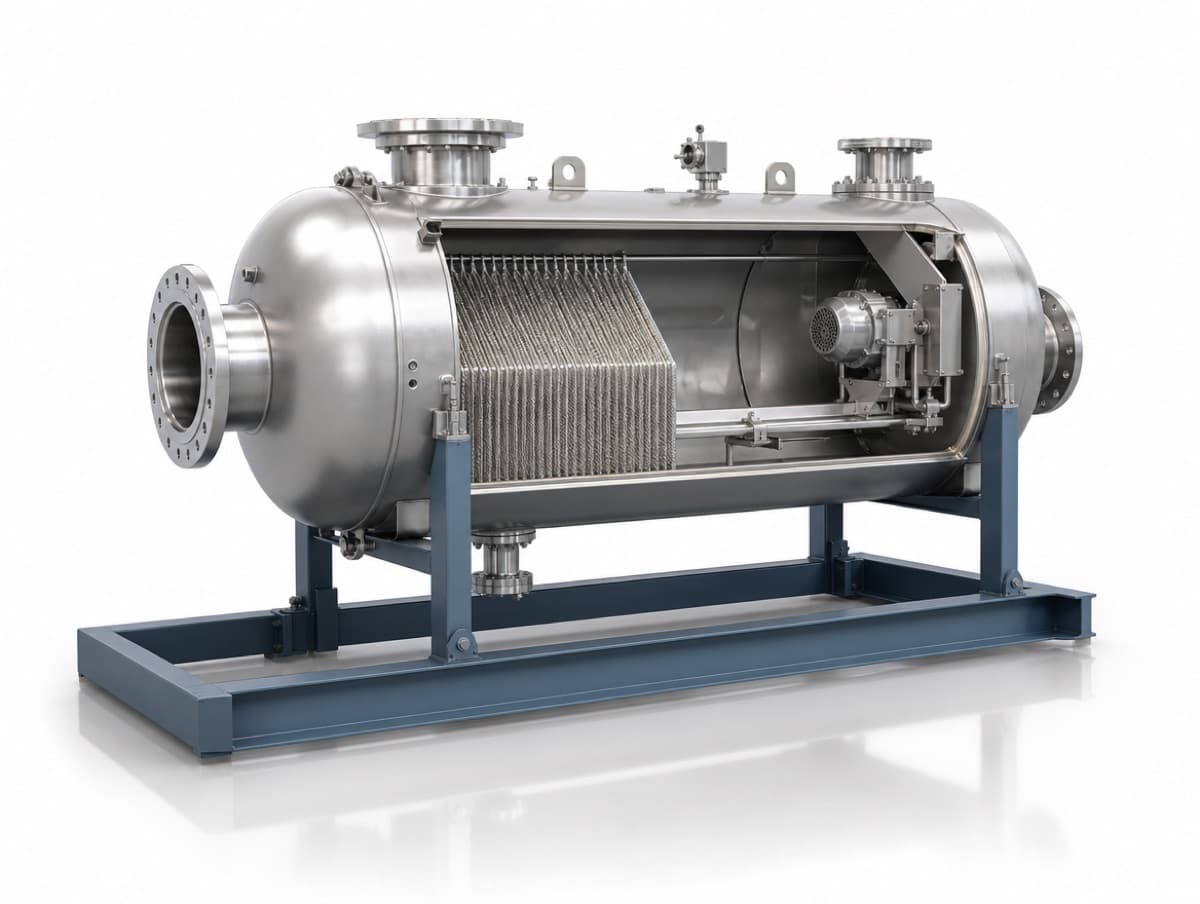
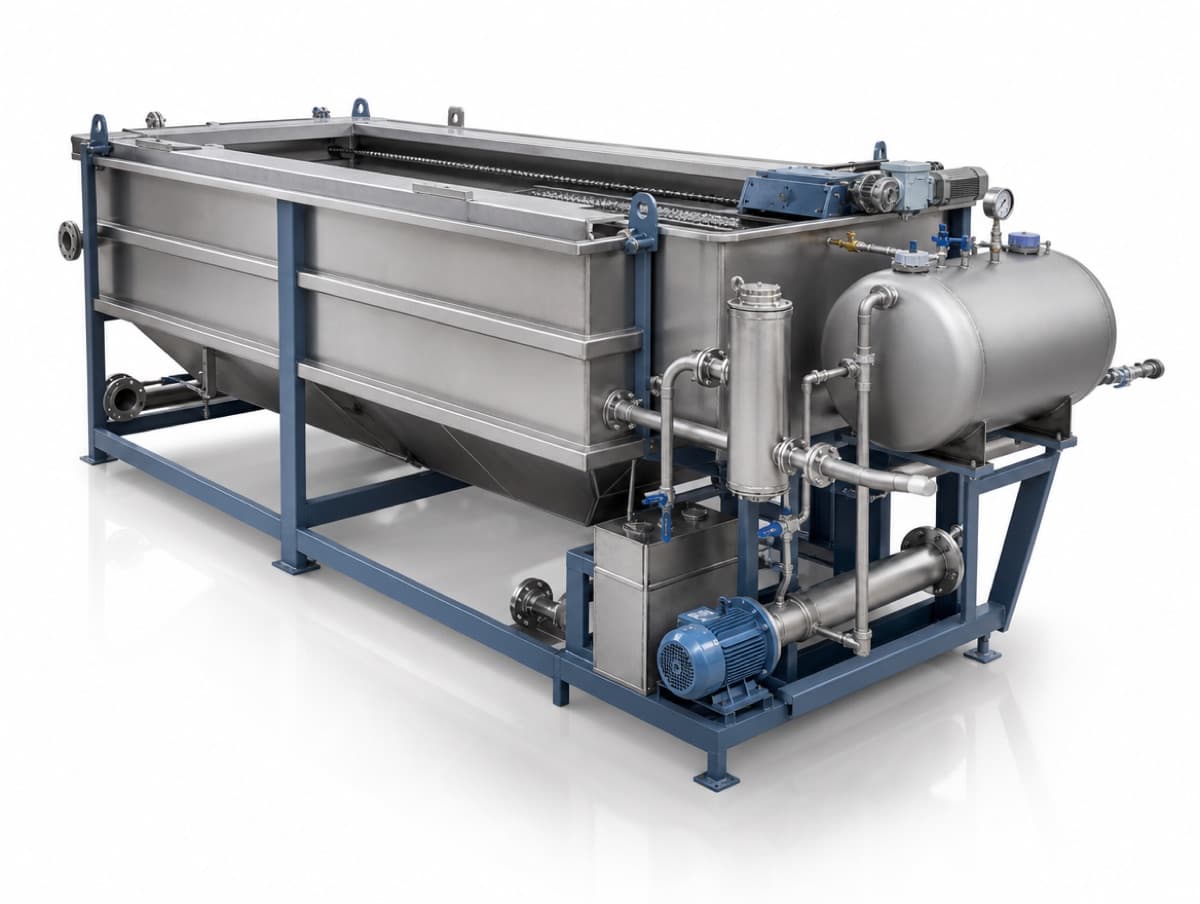
Primary clarification is where we most often help. A lamella clarifier can add settling capacity inside a fraction of the footprint a conventional circular unit needs, which matters when the upgrade has to fit between existing structures. Fibre recovered at this stage often goes straight back into the process, so a better clarifier pays twice. Secondary treatment at most mills is an aerated basin or activated sludge plant; where nutrient dosing, foam or bulking are limiting performance, targeted equipment changes cost far less than a rebuild. On the sludge line, screw presses and belt filter presses cut the dewatering and haulage bill, and dewatered sludge feeds hog fuel boilers at many kraft sites.
Equipment for Canadian mills
We supply clarifiers, DAF units for white water recovery, dewatering equipment and spare capacity for mills across Ontario, Quebec, and the western provinces. Send us the bottleneck, the flow numbers and the outfall limits, and we will propose the narrowest change that fixes it. Timing matters more than technology in this sector: treatment upgrades compete for the same maintenance shutdown windows as everything else in the mill, so we build delivery and installation schedules around your planned outage rather than asking the mill to schedule around us.
| Sector | Pulp & Paper |
|---|---|
| Common applications | Lamella clarification of fibre-laden effluent · Secondary biological treatment upgrades · High-volume sludge dewatering |
| Service area | Canada |
Key takeaways
- Lamella clarification of fibre-laden effluent
- Secondary biological treatment upgrades
- High-volume sludge dewatering
Pulp & Paper Wastewater Treatment Use Cases
Lamella clarification of fibre-laden effluent
Secondary biological treatment upgrades
High-volume sludge dewatering
FAQ
Frequently Asked Questions
Everything you need to know about our services.
What makes Pulp & Paper wastewater difficult to treat?
Pulp and paper is the most water-intensive manufacturing sector in Canada, and it operates under the most specific federal effluent rules of any industry we serve. The Pulp and Paper Effluent Regulations under the Fisheries Act set limits on BOD and total suspended solids and require environmental effects monitoring on the receiving water.
Which treatment steps apply in Pulp & Paper plants?
The applications we are asked for most often in this sector: Lamella clarification of fibre-laden effluent, Secondary biological treatment upgrades and High-volume sludge dewatering. The actual train is assembled from your effluent characterization, not from a sector template.
What do you need to quote a Pulp & Paper project?
Three things: your flow rate, a recent lab analysis or a plain description of the process generating the water, and where the effluent goes (municipal sewer, provincial permit or reuse). With those we return a sized configuration, budget price and delivery timeline.
Do you serve Pulp & Paper sites outside major cities?
Yes. We cover Canada, including remote sites with no municipal sewer connection, where containerized or skid-mounted packages are usually the right answer.
Send the flow rate. Get the system.
Flow, contaminants, discharge limit. An engineer replies with a sized treatment train and a quote — no obligation.