Loading...

Ontario
Industrial wastewater treatment equipment in Guelph
Industrial wastewater treatment systems for Canadian food processors, mines and manufacturers. DAF, oil-water separators, MBR, RO, sludge dewatering. Available in Guelph, Ontario.
Get a Quote in Guelph0K
Population
4
Key Local Industries
13
Equipment Lines
Industrial wastewater treatment equipment in Guelph
Guelph concentrates more agri-food research and production per capita than any city its size in Canada. The University of Guelph's food science programs, the provincial agriculture ministry's presence and a manufacturing base of food and beverage plants, auto-parts makers and agri-tech firms give this city of 144,000 an unusually sophisticated industrial community, discharging to the Speed River within the tightly allocated Grand River watershed.
Where the food scientists are the customers
Selling wastewater treatment in Guelph means selling to people who understand mass balances. Plant engineers here often trained up the street, and they expect characterization data, pilot results and lifecycle costs rather than brochure claims. The technical work mirrors the Grand River constraint that Kitchener shares: minimal assimilative headroom, demanding municipal effluent criteria, and a warm reception for load-reduction and water-reuse projects. Food plants dominate the discharge profile with BOD in the 2,000 to 4,000 mg/L range, and the city's own wastewater innovation posture, it has piloted resource recovery at its municipal plant, sets the tone for what industry expects of itself.
Receiving water: Speed River
Local dischargers: food & beverage, auto parts, agri-tech, manufacturing
Agri-food innovation cluster; tight Grand River watershed effluent limits
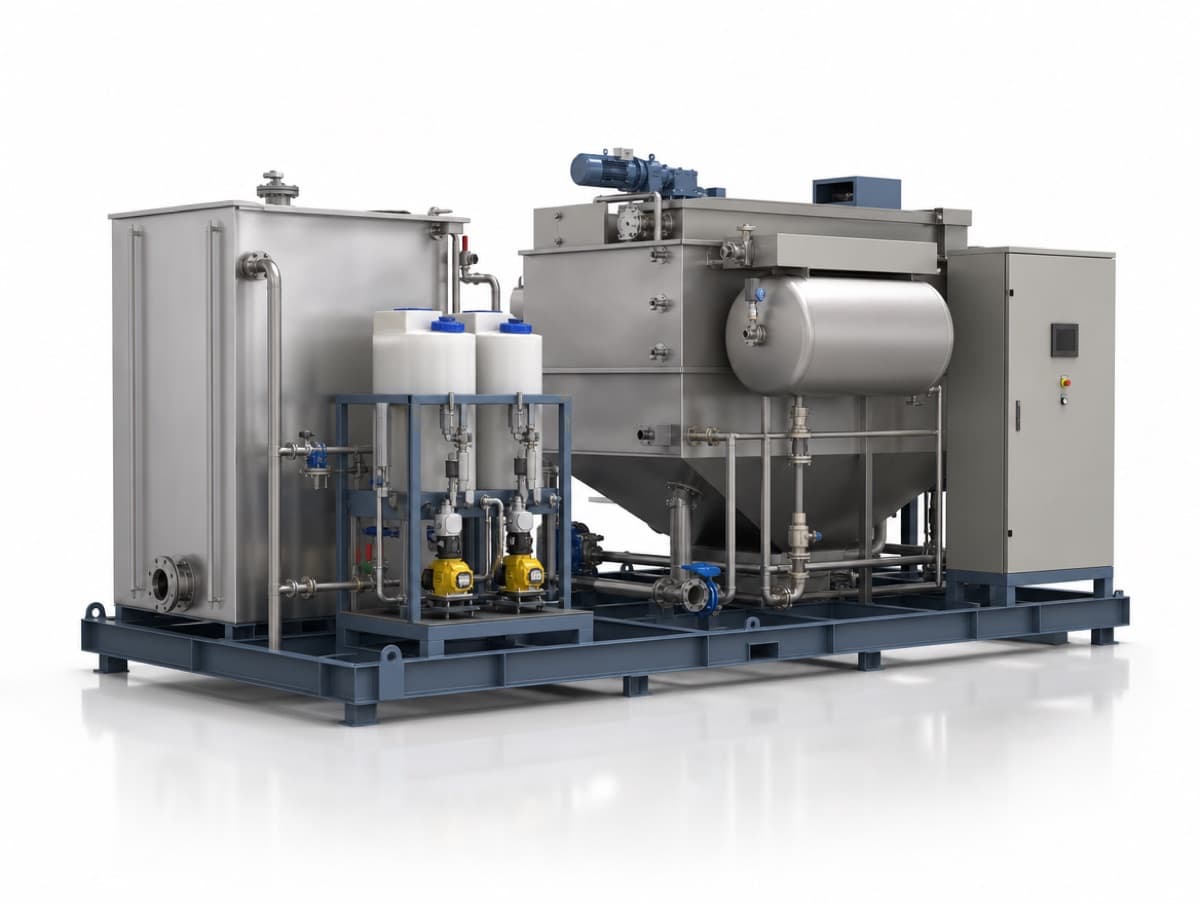
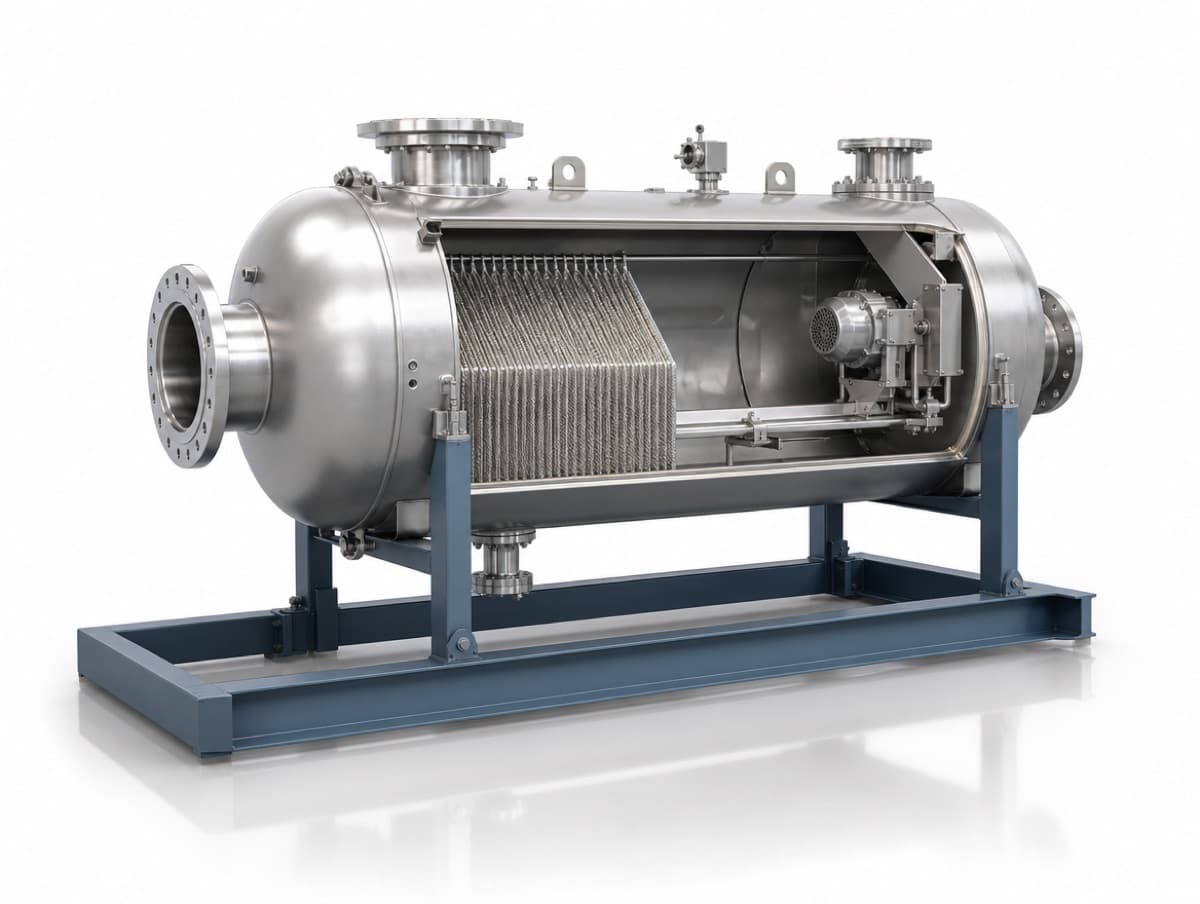
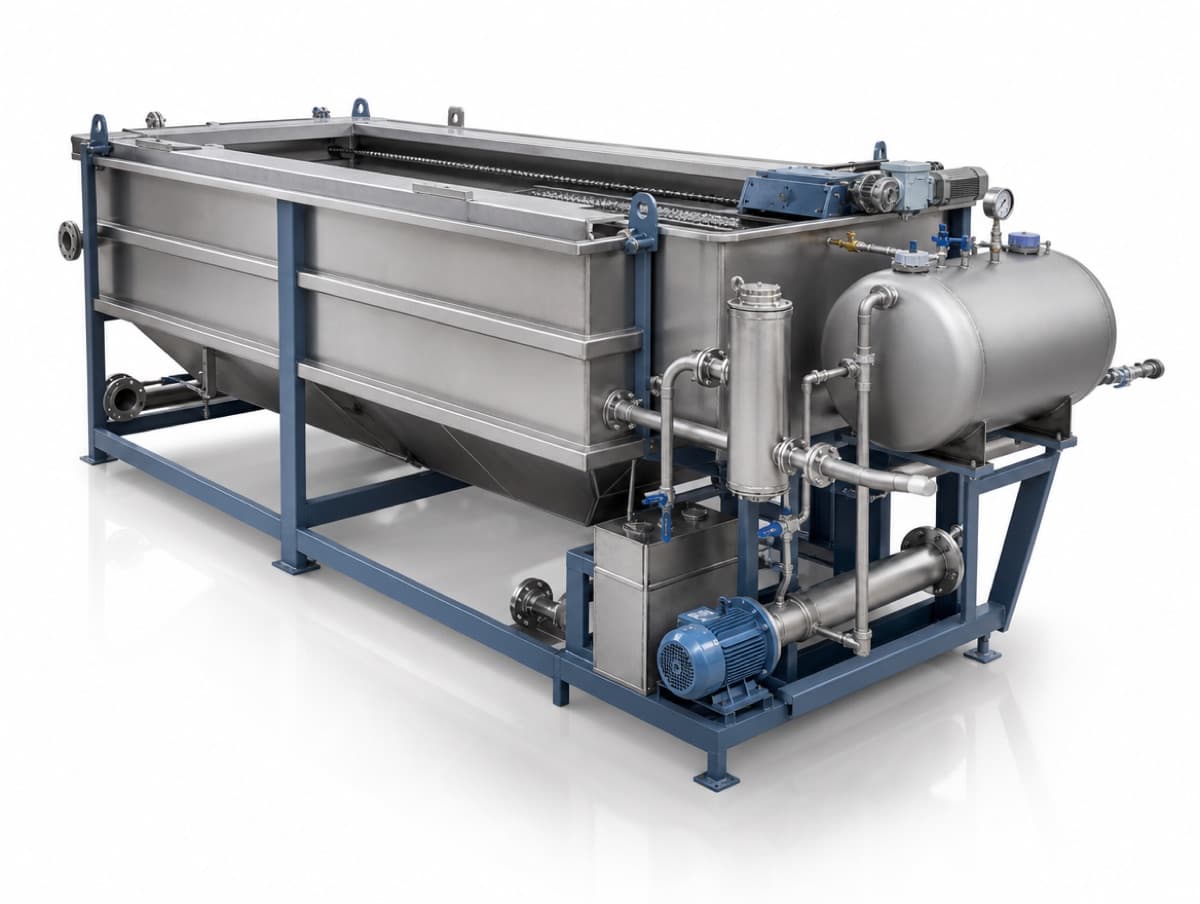
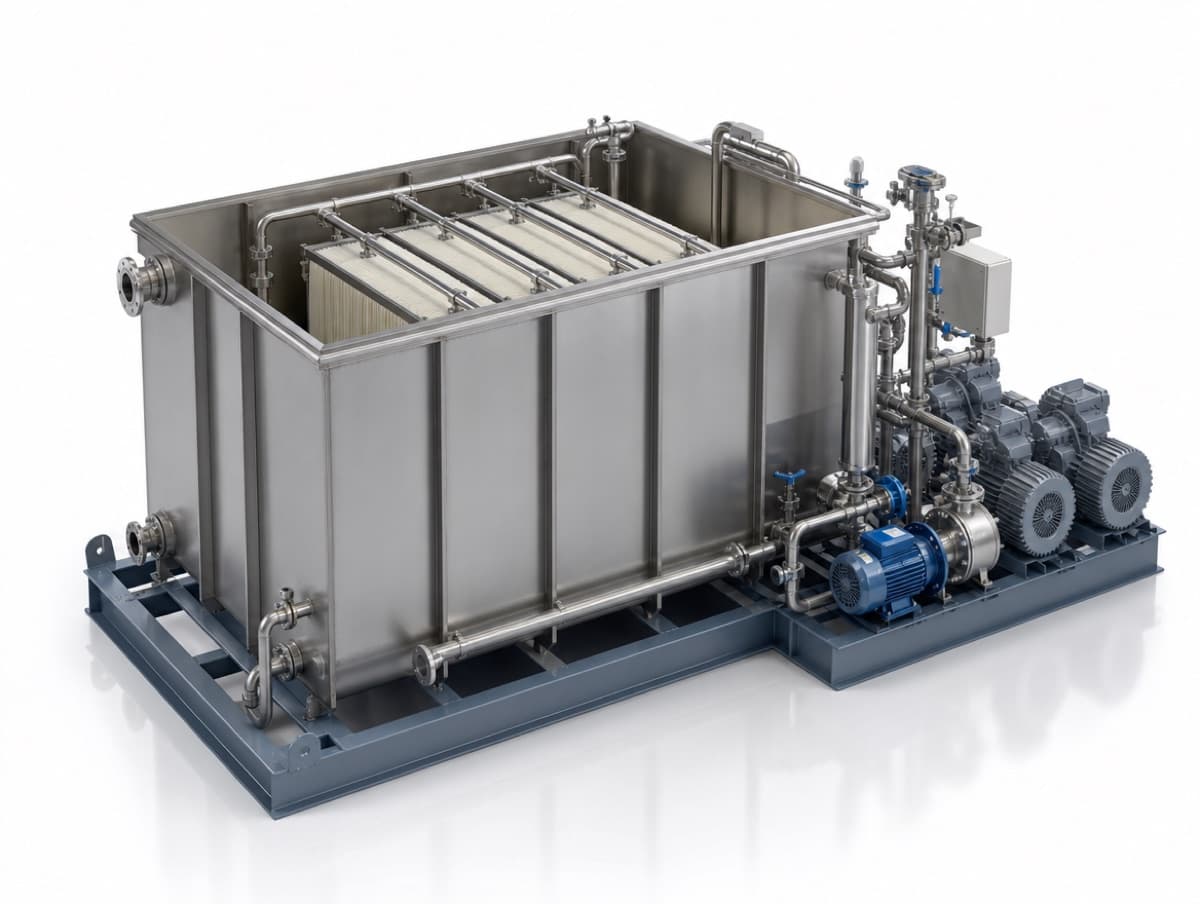
In Guelph the wastewater customer is often a University of Guelph-trained food scientist who expects pilot data and mass balances, not brochures, before signing off on a treatment system.
FAQ
Frequently Asked Questions
Everything you need to know about our services.
What discharge rules apply to industrial wastewater in Guelph?
Agri-food innovation cluster; tight Grand River watershed effluent limits. Treated municipal effluent in this area is released to Speed River, which is what keeps local limits where they are.
Which Guelph industries most often need wastewater pretreatment?
The local base we quote most often: food & beverage, auto parts, agri-tech and manufacturing. Each of those streams trips a different set of by-law parameters, so two plants on the same street can need completely different equipment.
Do you supply and install wastewater treatment equipment in Guelph?
Yes — Guelph, Ontario is inside our service area. We are an equipment supplier, not a plant operator: systems are sized against your effluent, shipped to site and commissioned there, with the compliance sampling set up before handover.
Is on-site pretreatment worth it in Guelph?
In Guelph the wastewater customer is often a University of Guelph-trained food scientist who expects pilot data and mass balances, not brochures, before signing off on a treatment system.
Send the flow rate. Get the system.
Flow, contaminants, discharge limit. An engineer replies with a sized treatment train and a quote — no obligation.
In this city
Equipment available here.
Industrial Wastewater Treatment Systems→Oil Water Separators→Dissolved Air Flotation (DAF) Systems→Membrane Bioreactor (MBR) Systems→MBBR Systems (Moving Bed Biofilm Reactors)→Lamella Clarifiers→Sludge Dewatering Screw Presses→Dewatering Centrifuges→Industrial Reverse Osmosis Systems→Wastewater Evaporators & ZLD Systems→Belt Filter Presses→Coalescing Filters→Industrial Bag & Cartridge Filtration→Food & Beverage Processing→Dairy Processing→Breweries & Distilleries→Meat & Poultry Processing→Pulp & Paper→Pharmaceutical & Biotech→Textile & Dyeing→Mining & Mineral Processing→Oil & Gas / Produced Water→Metal Finishing & Plating→Chemical Manufacturing→Power, Boilers & Cooling Towers→
Nearby cities