Loading...
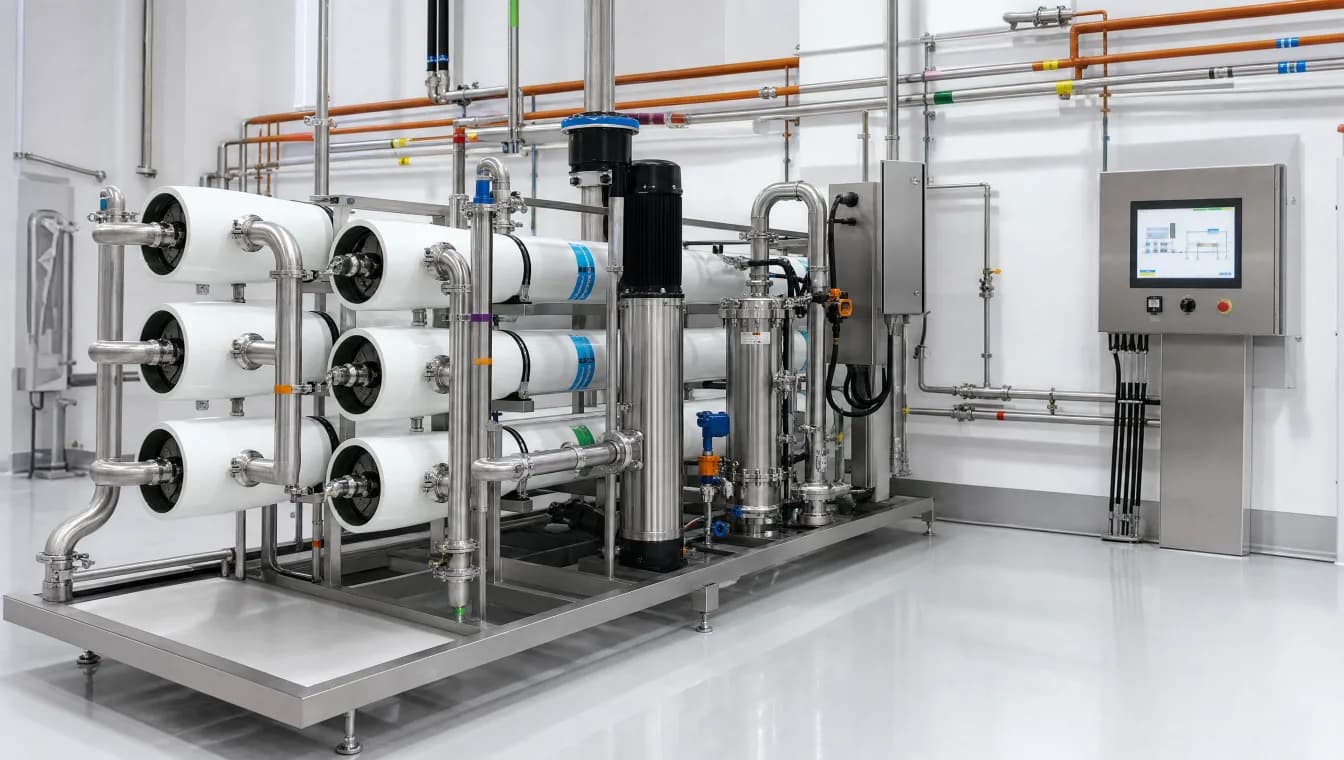
Industrial wastewater treatment equipment for Pharmaceutical & Biotech
MBR treatment of API-bearing streams · Solvent-laden wastewater pretreatment · Compliance documentation for GMP sites
Why Pharmaceutical & Biotech Chooses Industrial Wastewater Canada
Pharmaceutical effluent is defined less by its strength than by what regulators and municipal plants do not want in it. Active pharmaceutical ingredients pass through conventional biological treatment largely intact, solvents from synthesis and extraction can upset or kill a downstream biomass, and cleaning validation chemistry adds surfactants and sanitizers to every batch changeover. Pharmaceutical wastewater treatment therefore starts with segregation: identifying which streams can go to a conventional plant, which need dedicated pretreatment, and which should never enter the drain at all.
Layered compliance
For Canadian manufacturers, the compliance picture layers municipal sewer bylaws, provincial environmental approvals and, increasingly, customer and parent-company sustainability audits that ask harder questions than the bylaw does. A plant can be legally compliant and still fail a corporate audit over API discharge, which is pushing the sector toward treatment levels beyond the regulatory floor.
Why MBR fits this sector
The technology that fits this sector best is the membrane bioreactor. An MBR combines biological treatment with ultrafiltration in one step, holds a high biomass concentration that resists shock loads, and produces an effluent clean enough for reverse osmosis polishing where API removal or water reuse is the goal. An MBR followed by an industrial reverse osmosis system is the standard answer when a pharmaceutical plant needs to close the loop on process water or meet a discharge target that conventional treatment cannot reach. Upstream of the biology, equalization and pH correction protect the biomass from batch chemistry, and activated carbon or advanced oxidation handles specific recalcitrant compounds where analysis shows they persist.
High-purity reject streams
Sterile and biologics facilities bring their own wrinkle: clean-in-place and water-for-injection systems generate high-purity reject streams that are easy to reuse if they are kept separate from the dirty drains.
Packages and pilots
We supply MBR packages, RO skids, equalization systems and lab-scale pilot units for pharmaceutical and nutraceutical plants. Provide your stream inventory and analytical data, and we will propose a segregation and treatment scheme sized to your batches, with pilot testing before you commit to full scale. Contract manufacturers face a harder version of this problem, because the product mix changes with the customer list, and we design their segregation and treatment schemes with more equalization and more analytical monitoring than a single-product site would need.
| Sector | Pharmaceutical & Biotech |
|---|---|
| Common applications | MBR treatment of API-bearing streams · Solvent-laden wastewater pretreatment · Compliance documentation for GMP sites |
| Service area | Canada |
Key takeaways
- MBR treatment of API-bearing streams
- Solvent-laden wastewater pretreatment
- Compliance documentation for GMP sites
Pharmaceutical & Biotech Wastewater Treatment Use Cases
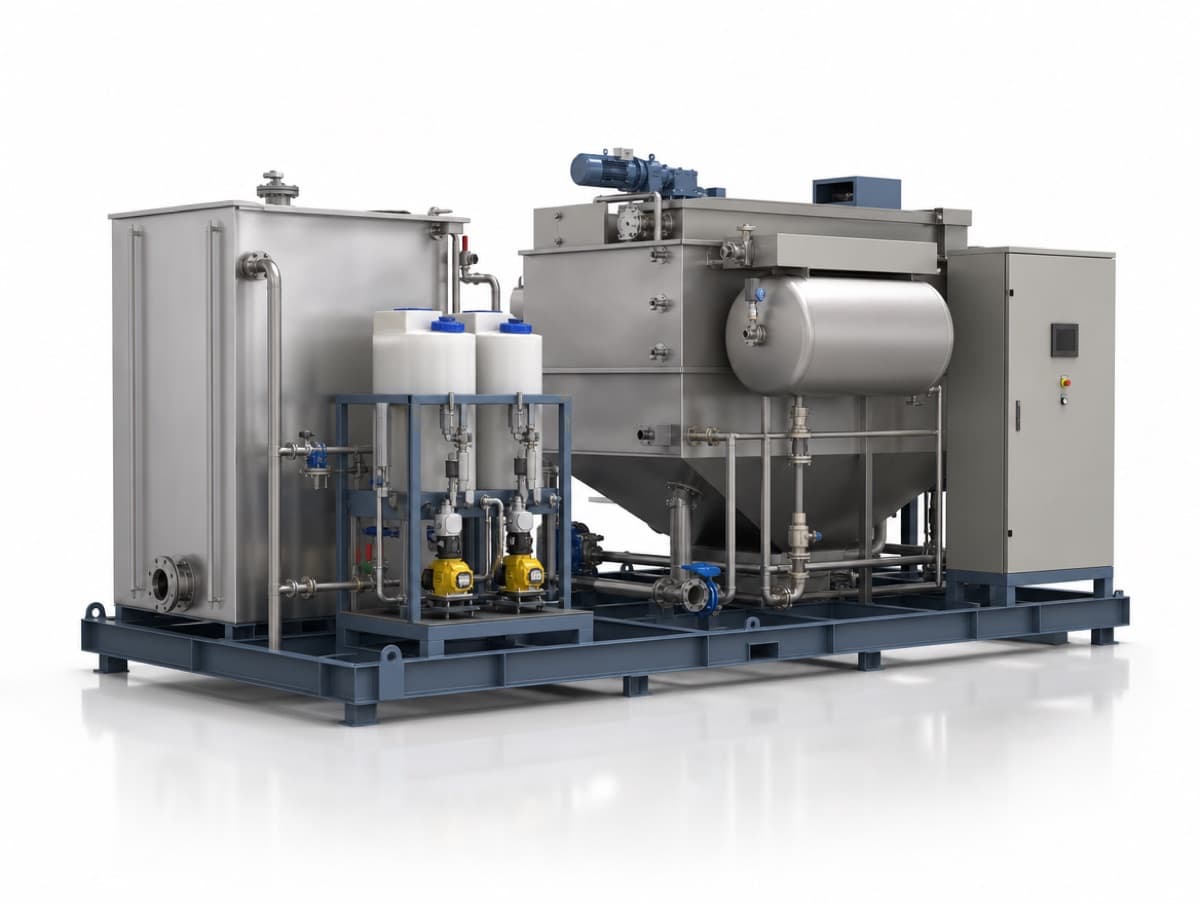
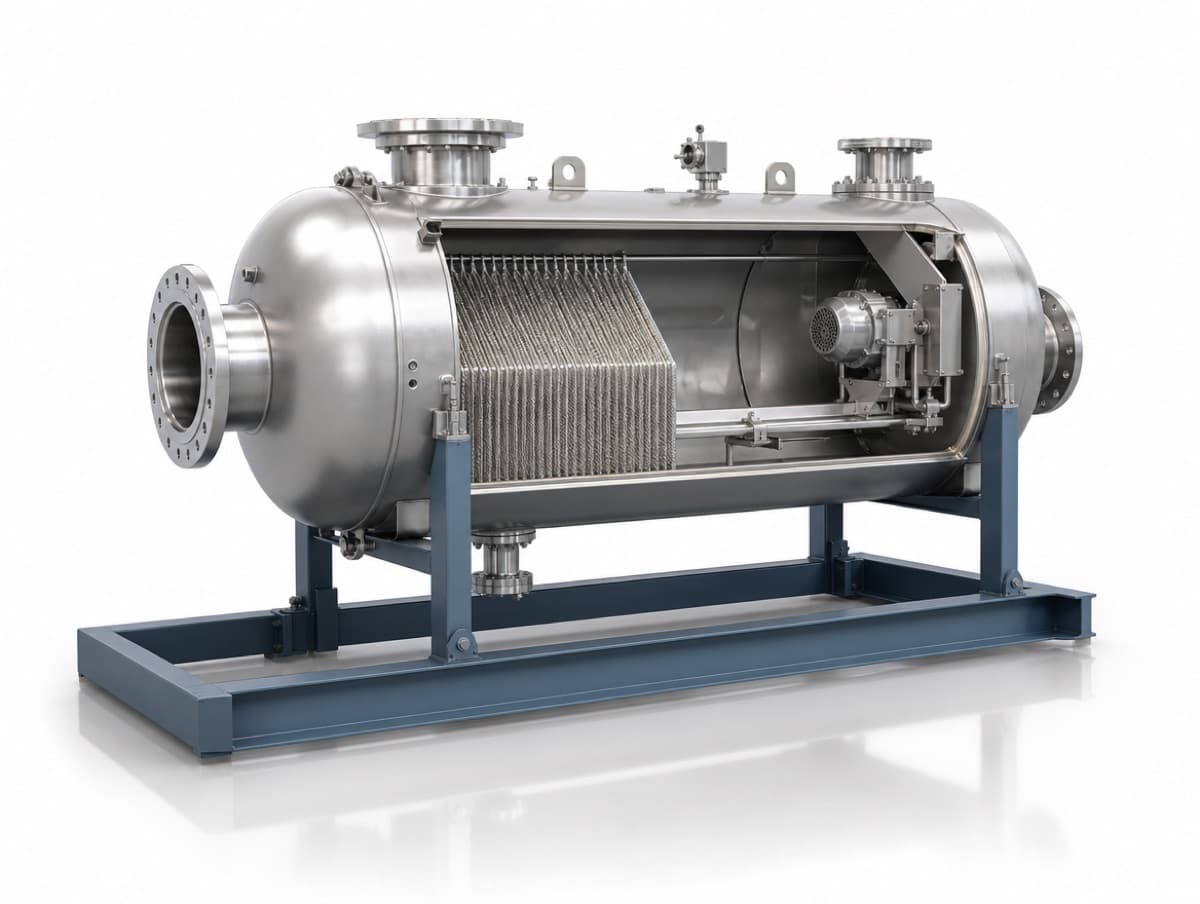
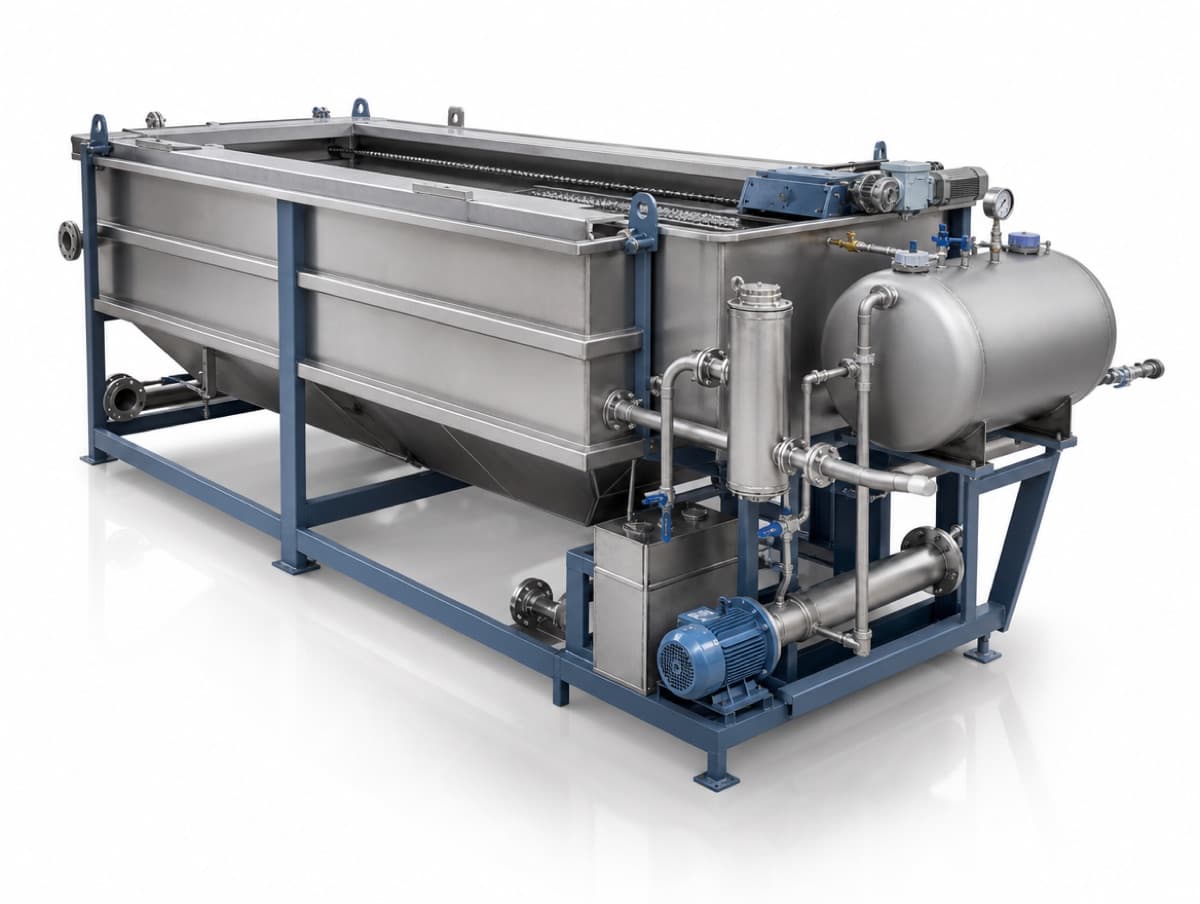
MBR treatment of API-bearing streams
Solvent-laden wastewater pretreatment
Compliance documentation for GMP sites
FAQ
Frequently Asked Questions
Everything you need to know about our services.
What makes Pharmaceutical & Biotech wastewater difficult to treat?
Pharmaceutical effluent is defined less by its strength than by what regulators and municipal plants do not want in it. Active pharmaceutical ingredients pass through conventional biological treatment largely intact, solvents from synthesis and extraction can upset or kill a downstream biomass, and cleaning validation chemistry adds surfactants and.
Which treatment steps apply in Pharmaceutical & Biotech plants?
The applications we are asked for most often in this sector: MBR treatment of API-bearing streams, Solvent-laden wastewater pretreatment and Compliance documentation for GMP sites. The actual train is assembled from your effluent characterization, not from a sector template.
What do you need to quote a Pharmaceutical & Biotech project?
Three things: your flow rate, a recent lab analysis or a plain description of the process generating the water, and where the effluent goes (municipal sewer, provincial permit or reuse). With those we return a sized configuration, budget price and delivery timeline.
Do you serve Pharmaceutical & Biotech sites outside major cities?
Yes. We cover Canada, including remote sites with no municipal sewer connection, where containerized or skid-mounted packages are usually the right answer.
Send the flow rate. Get the system.
Flow, contaminants, discharge limit. An engineer replies with a sized treatment train and a quote — no obligation.