Key Takeaways
- A sewer surcharge is a treatment bill the city sends you for using its plant as your plant.
- Toronto's bylaw sets the BOD threshold at 300 mg/L; food-plant effluent routinely runs five to ten times that.
- The surcharge scales with both concentration and volume, so it grows with your production.
- Compare ten years of projected surcharges against treatment capital before renewing any agreement.
A surcharge is not a fine. It is the municipality billing you, at cost-recovery rates, for treating load your effluent adds beyond what normal sanitary sewage carries. That distinction matters because it makes the decision purely economic: the city is quoting you a price for treatment, and you get to check whether doing it yourself is cheaper. For food and beverage plants, past a certain production volume, it usually is.
Where the numbers come from in food processing wastewater treatment
Municipal sewer-use bylaws set concentration limits for the load parameters. Toronto's Sewers bylaw (Municipal Code Chapter 681) is a representative example: above 300 mg/L BOD, 350 mg/L TSS or 150 mg/L total oil and grease, a discharger needs a surcharge agreement and pays per kilogram of excess load. Other Canadian municipalities use the same structure with their own thresholds, so check your own bylaw before running any numbers.
| Parameter | Toronto bylaw threshold | Typical food-plant effluent | Main sources on site |
|---|---|---|---|
| BOD | 300 mg/L | 1,500 to 4,000 mg/L | Product losses to drain, tank and line washes |
| TSS | 350 mg/L | 500 to 2,000 mg/L | Solids from cutting, rinsing, floor washdown |
| Total oil and grease | 150 mg/L | 200 to 1,500 mg/L | Animal fats, dairy fat, frying oils |
Food plants blow through these thresholds as a matter of course, because the product itself is the contaminant:
- Dairy washwater carries milk solids; whole milk has a BOD around 100,000 mg/L, so even a small percentage lost to drain moves the daily average dramatically.
- Brewery effluent spikes with each tank wash: spent yeast, trub and rinse beer are all concentrated organic load.
- Meat processing adds fats and blood; blood is among the strongest common effluents, with BOD in the range of 150,000 to 200,000 mg/L.
Against a 300 mg/L threshold, most of your organic load is billable.
How the surcharge math compounds
The billed quantity is excess concentration times discharge volume. That structure has three consequences worth sitting with:
- It scales with production. Double your throughput and the surcharge roughly doubles, even if your water quality stays identical. The bill grows exactly when the plant is doing well.
- It never ends. A surcharge agreement is a recurring operating cost with no equity in it. Treatment equipment is capital that depreciates once and then keeps working.
- It can be revoked. Municipalities can tighten thresholds or decline to renew agreements when their own plants near capacity. A plant with no treatment and no agreement has a compliance problem, not a billing problem.
What treatment actually removes the surcharge
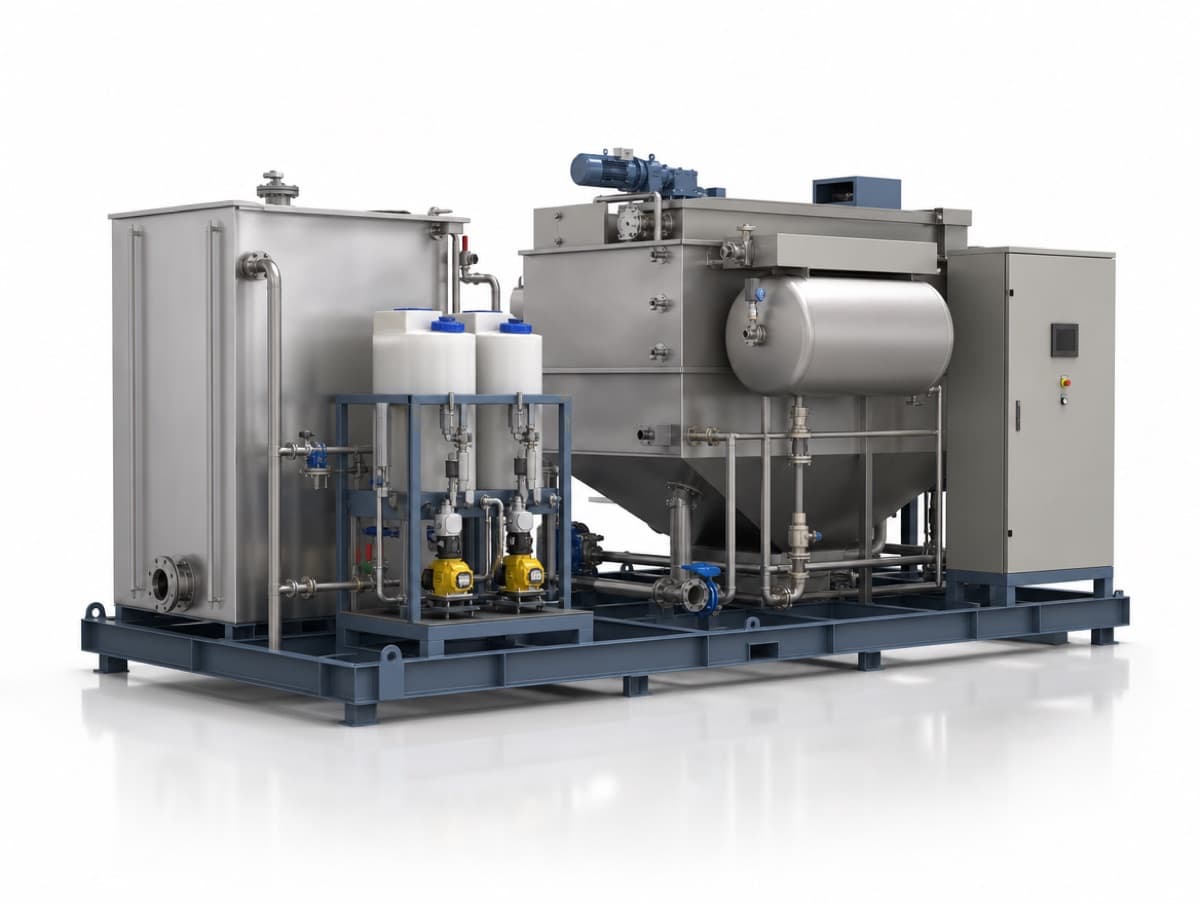
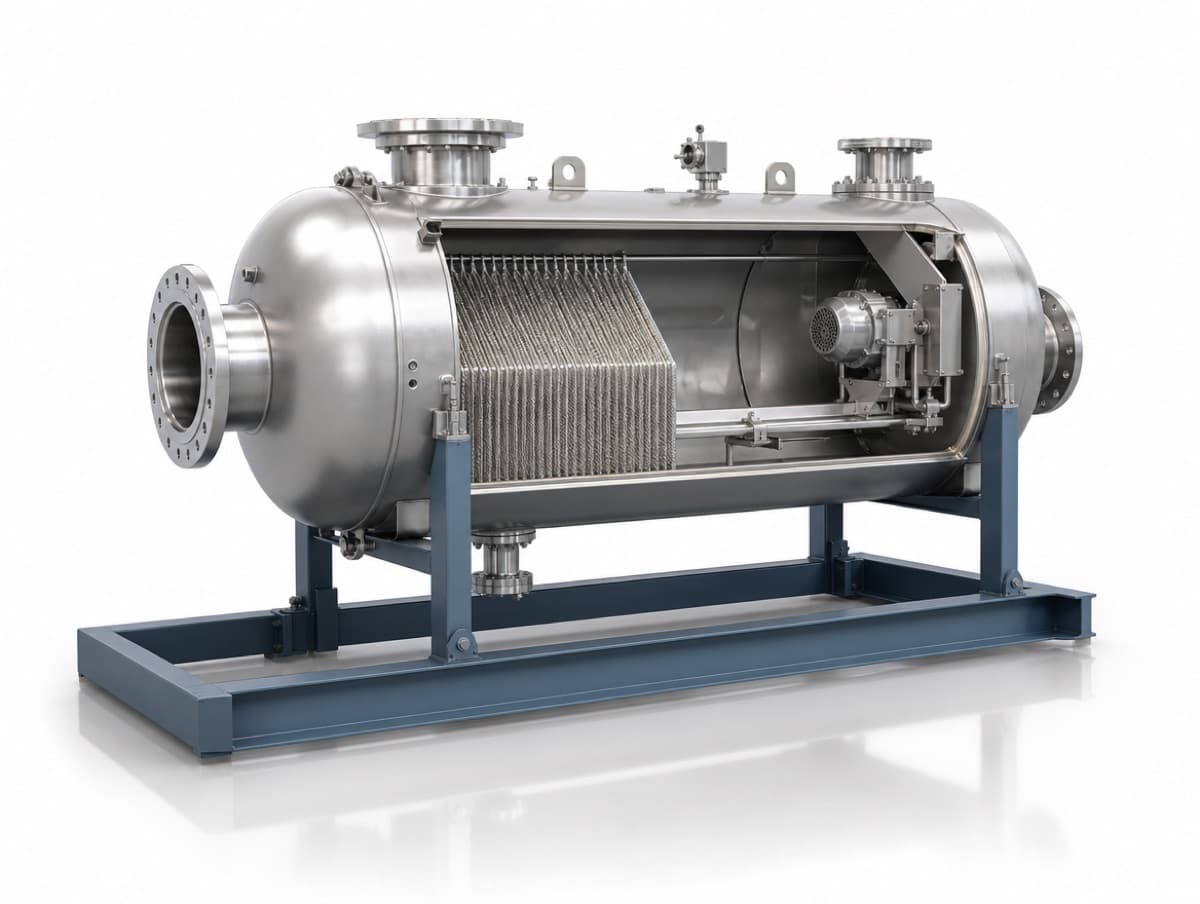
The standard train for a surcharged food plant is staged, and each stage pays its own way:
- Screening pulls out gross solids that would foul everything downstream.
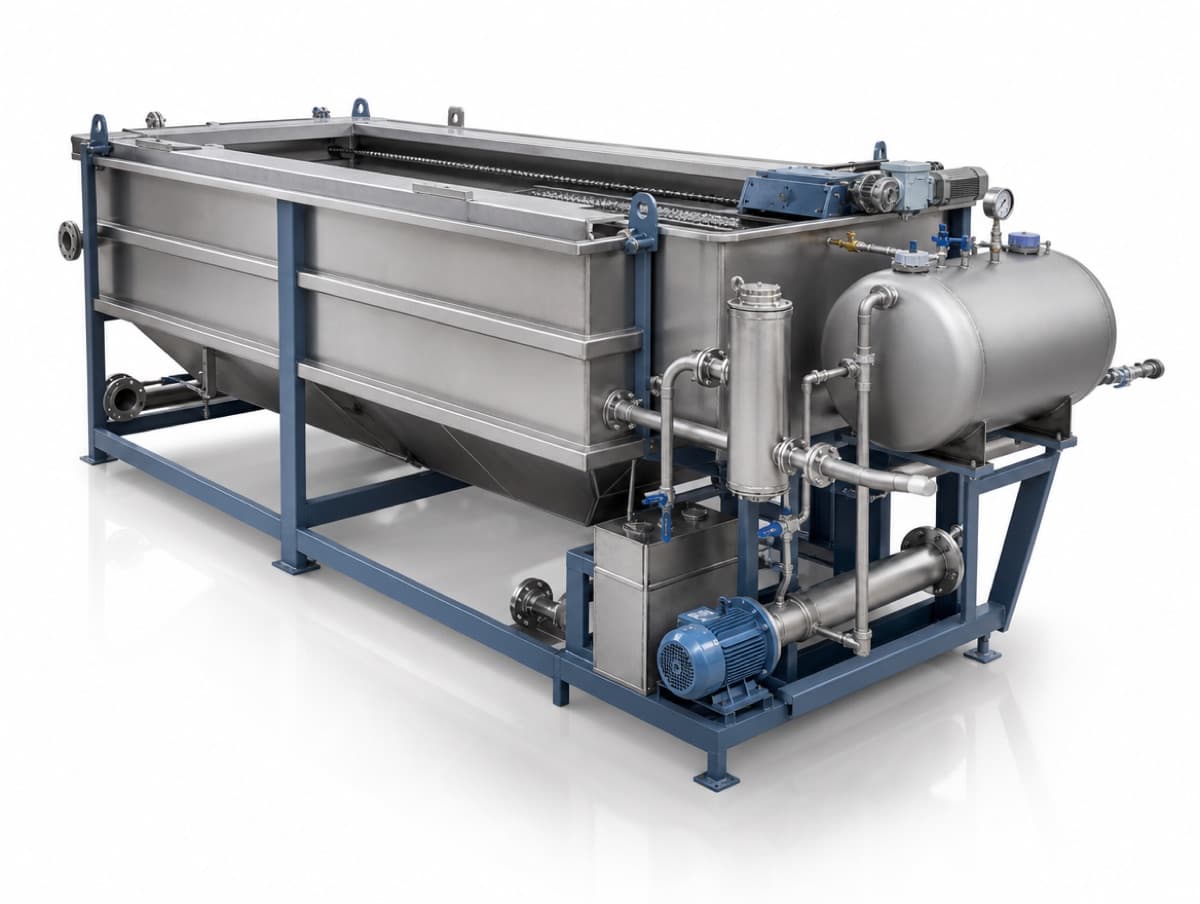
- A DAF system with coagulant and flocculant removes fats, oil, grease and suspended solids, the large majority of TSS and FOG, and with them a substantial share of the BOD, since much of a food plant's BOD travels attached to particles and fat.
- Biological treatment, an MBBR or MBR, digests the dissolved BOD the DAF cannot touch, pushing overall removal far higher where the bylaw or a reuse target demands it.
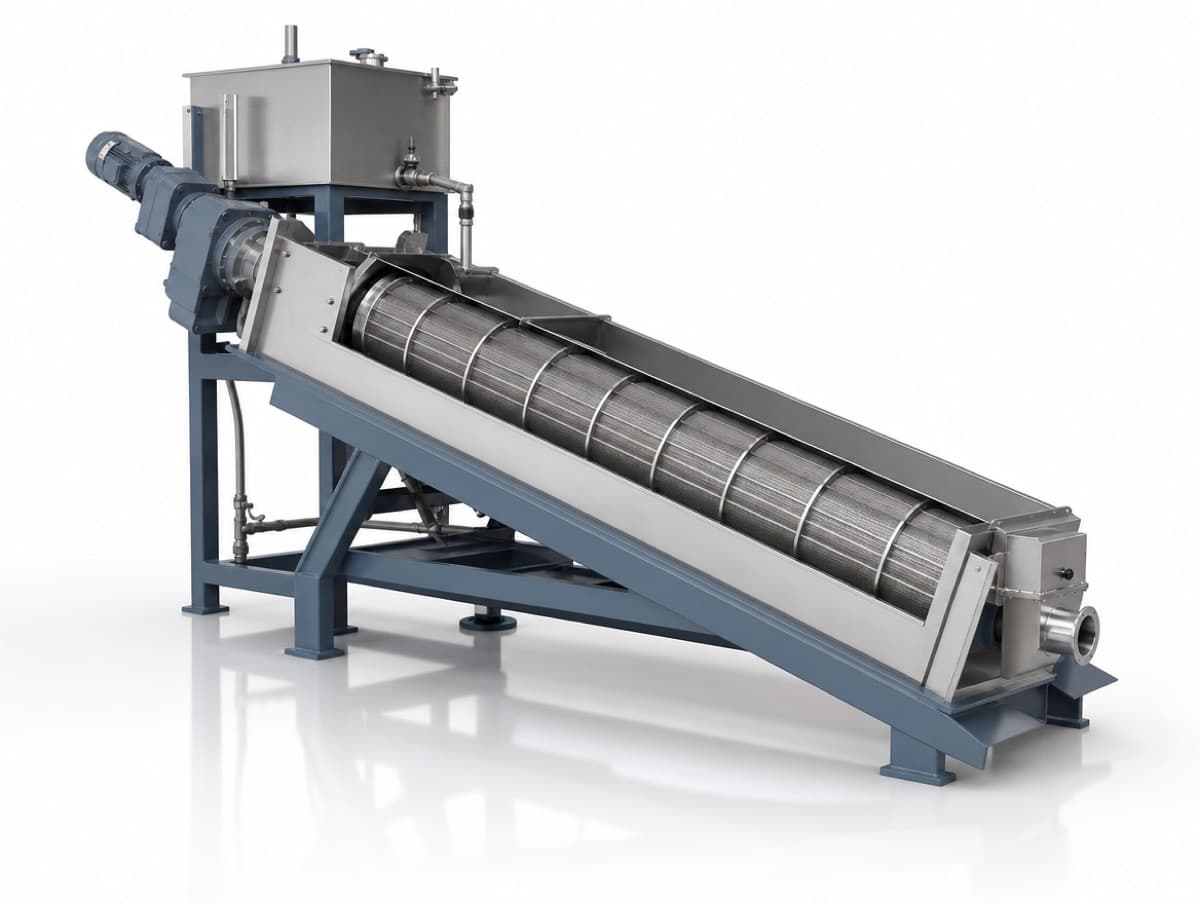
- A screw press dewaters the DAF float and biological sludge so haulage does not eat the savings.
Many plants stop after the DAF stage. Whether that is enough depends entirely on how much of your BOD is particulate versus dissolved, which one composite sample with a filtered and unfiltered BOD analysis will tell you. A dairy or meat plant, where fat carries much of the load, often reaches its threshold with the DAF alone. A brewery, whose load is mostly dissolved sugars and alcohol, usually cannot, and budgeting for the biological stage from the start avoids a second construction project two years in.
Running the payback comparison
The comparison is one line long: ten years of projected surcharges, at your growth rate, against the installed cost of the treatment train plus its operating chemicals and power. We run this calculation as part of every food-sector proposal, using your actual surcharge invoices where you can share them. Bring a recent invoice and a lab analysis to the quote form and the proposal will show the crossover point for your numbers. If you only suspect you are heading toward a surcharge agreement, the food processing page outlines the typical effluent profile and is a reasonable place to start.
FAQ
Is a surcharge agreement bad? We have had one for years. It is neither good nor bad; it is a price. The question is whether that price, projected over the next decade at your growth rate, beats the cost of treating on site. Many plants find the crossover arrived years ago without anyone running the numbers.
Will treatment eliminate the surcharge entirely? A properly sized train brings your effluent under the bylaw thresholds, which ends the surcharge. You keep paying normal sewer rates on volume, as every connected business does.
What does the city do if we exceed limits without an agreement? Bylaws carry enforcement provisions ranging from orders to prosecution, and municipalities also protect their own federal obligations under the Fisheries Act. Exceeding without an agreement exposes the plant to enforcement as well as to back-billing.
Industrial Wastewater Canada Technical Team
Process Equipment Specialists
Industrial Wastewater Canada Technical Team writes about industrial wastewater treatment equipment and related topics for Industrial Wastewater Canada.
This article was AI-assisted and reviewed by the Industrial Wastewater Canada Technical Team.