Loading...
Industrial wastewater treatment equipment in British Columbia
Serving 9 cities across British Columbia.
9
Cities Served
2.0M+
Population Covered
Same-Day
Delivery Available
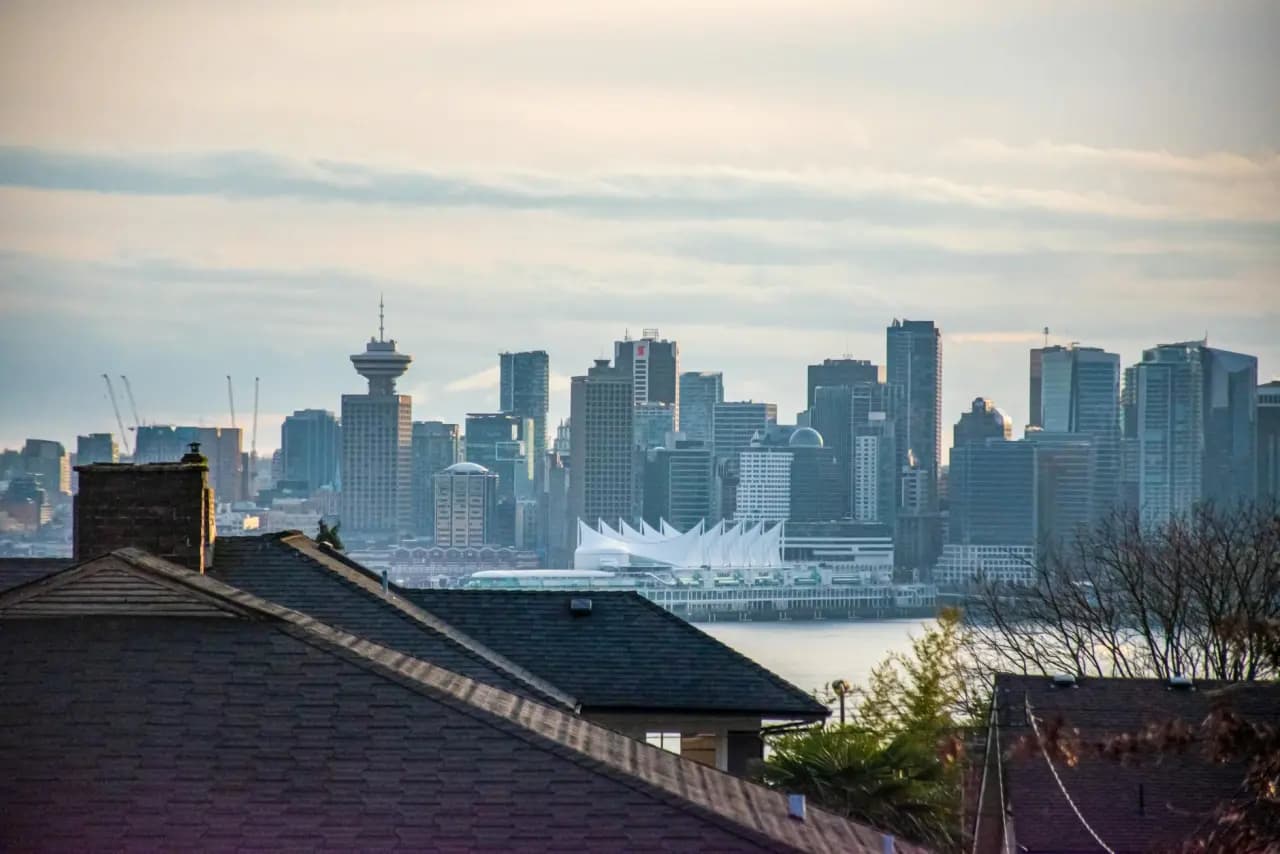
Industrial wastewater treatment equipment Services in British Columbia
Industrial Wastewater Canada provides industrial wastewater treatment equipment across 9 cities in British Columbia. Whether you're in Vancouver, Surrey, or Burnaby, we size, supply and commission systems against your local discharge limits.
Discharge rules vary city by city in British Columbia
Every municipality in British Columbia writes its own sewer-use bylaw, and the surcharge math changes with it. Here is what drives pretreatment decisions in the cities we serve most.
Vancouver
Discharges to Fraser River / Burrard InletMetro Vancouver's Bylaw 299 makes industrial wastewater a permit regime rather than an honour system, and with salmon in the receiving waters and no industrial land to spare, compact pretreatment that fits a 1960s building wins.
Surrey
Discharges to Fraser RiverSurrey's new industrial parks mean most plants are getting their first Metro Vancouver discharge permit, and wastewater pretreatment designed into the greenfield build costs a fraction of the retrofit.
Burnaby
Discharges to Fraser River / Burrard InletWith salmon-bearing Still Creek running straight through Burnaby's industrial corridor, wastewater diligence here goes beyond the Bylaw 299 permit, because a creek incident is public within hours.
Richmond
Discharges to Fraser River estuaryRichmond's fish plants discharge beside a Fraser estuary where juvenile salmon rear, so seafood wastewater treatment here pairs DAF technology with housekeeping discipline that prevents the overnight odour complaint.
Abbotsford
Discharges to Fraser RiverAbbotsford's poultry, dairy and berry plants push BOD past 8,000 mg/L over a protected aquifer, making it BC's toughest proving ground for high-strength food wastewater treatment.
Kelowna
Discharges to Okanagan LakeKelowna's crush season sends 15,000 mg/L COD winery effluent toward a phosphorus-limited Okanagan Lake for eight weeks a year, a seasonality problem that defines wastewater design here.
All Cities in British Columbia
FAQ
Frequently Asked Questions
Everything you need to know about our services.
Which British Columbia cities do you cover?
We publish local discharge context for Vancouver, Surrey, Burnaby, Richmond, Abbotsford, Kelowna, Kamloops, Victoria and Prince George, and quote anywhere else in British Columbia on the same terms — the province is inside our service area, not just these markets.
What regulates industrial effluent in British Columbia?
Two layers, always: the municipal sewer-use by-law where you discharge to a sewer, and the provincial permit or authorization where effluent reaches a watercourse. In the markets we cover here, that means Metro Vancouver GVS&DD Sewer Use Bylaw 299 with mandatory waste discharge permits for industrial flows. Federal Fisheries Act provisions apply the moment effluent reaches fish-bearing water.
Where does treated effluent go in British Columbia?
Municipal plants in the British Columbia markets we cover discharge to Fraser River / Burrard Inlet, Fraser River, Fraser River estuary, Okanagan Lake, Thompson River, Juan de Fuca Strait and Fraser / Nechako Rivers. The assimilative capacity of the receiving water is the single best predictor of how tight your local limits will be.
Can you quote a site in British Columbia with no municipal sewer?
Yes. Remote sites, camps and rural plants are quoted as self-contained packages — containerized or skid-mounted, built for unattended winter operation — and discharge to a provincial authorization or to reuse rather than to a sewer.
Send the flow rate. Get the system.
Flow, contaminants, discharge limit. An engineer replies with a sized treatment train and a quote — no obligation.